Goal 16: Peace, justice & strong institutions
Peace and justice are deeply embedded in the Victoria University ethos. We are the university of opportunity and success, committed to bringing together the diverse strands of our community – so all can benefit from the strength of those strands woven together.
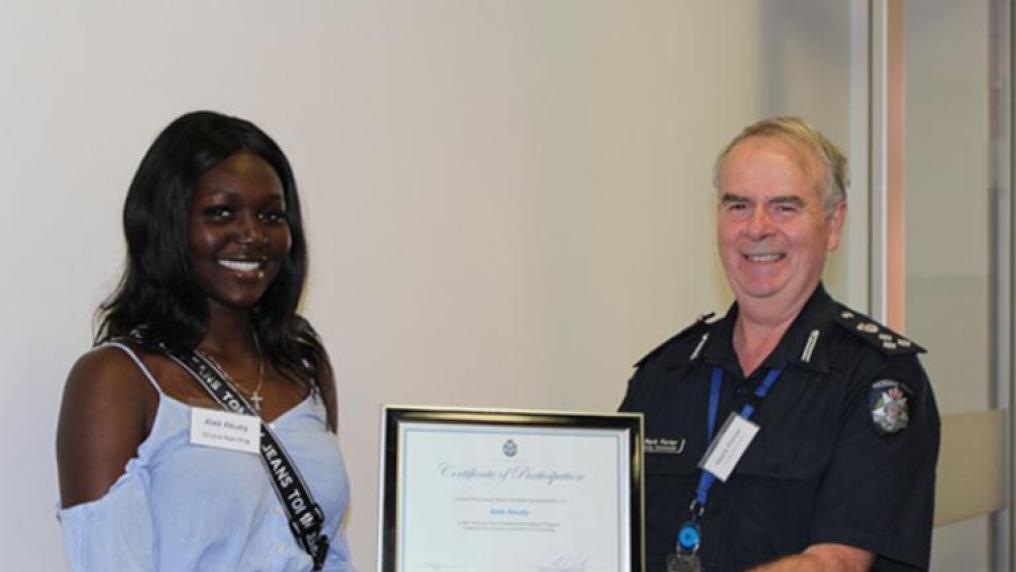
Many of our programs directly promote inclusion, such as 'Aspire', originally for female Muslim leaders, and now extended to other community groups, and Moondani Balluk's Indigenous support and research.
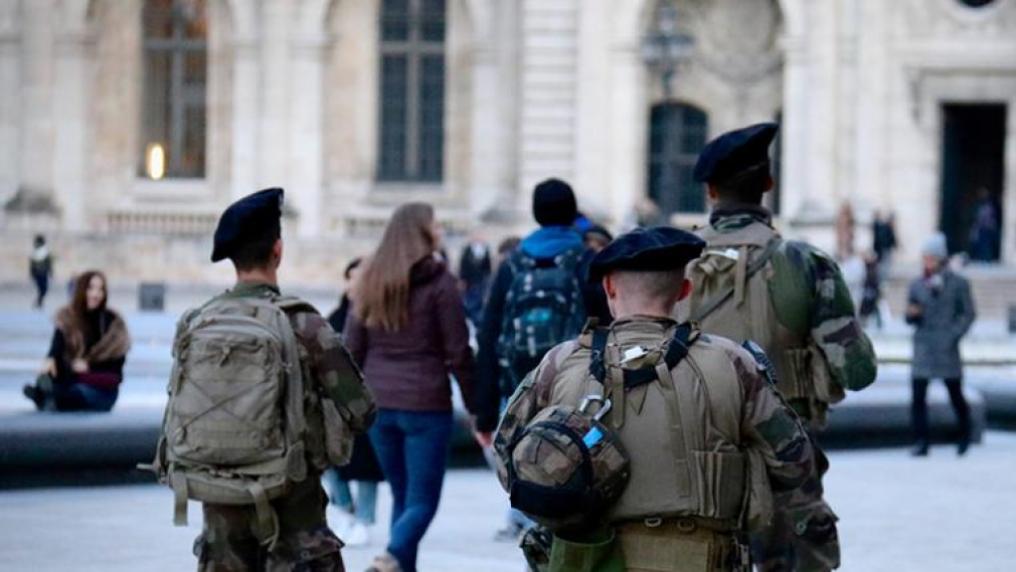
In addition, we conduct research with direct policy outcomes to tackle the causes of crime and terrorist activity – with the aim of creating a more peaceful society.

Structural injustices, inequalities and emerging human rights challenges are putting peaceful and inclusive societies further out of reach. To meet SDG16 by 2030, action is needed to restore trust and to strengthen the capacity of institutions to secure justice for all and facilitate transitions to drive sustainable development.
– United Nations
Working with local stakeholders to create positive impact
- Partnering with principle: Identifying and engaging with local stakeholders
- Partnering with principle: Shared decision-making with local communities
Partnering with principle: Identifying and engaging with local stakeholders
VU is committed to working in partnership with the communities, organisations and industries that shape Melbourne's west. Through its strategic planning, partnership frameworks and community engagement activities, VU has established clear mechanisms to identify local stakeholders and collaborate with them to address regional priorities, improve educational opportunities, strengthen workforce capability and generate positive societal impact.
This commitment is embedded in the Victoria University Strategic Plan 2022–2030: Start Well, Finish Brilliantly, which identifies Partnering with Principle as one of the University's five strategic drivers. The Strategic Plan commits VU to cultivating ethical and mutually beneficial partnerships with community organisations, government agencies, industry, Traditional Owners and other stakeholders to improve outcomes for people, place and planet. The Plan was approved in 2021 and remains in effect.
Identifying local stakeholders across Melbourne's West
VU's approach is operationalised through formal partnership arrangements, community engagement programs, Indigenous engagement processes and regional development initiatives that ensure stakeholder perspectives are incorporated into education, research and decision-making activities.
In 2025, VU maintained partnerships with organisations including Western Health, Greater Western Water, Orygen, headspace, Ambulance Victoria, Western Chances, CommUnity+, Westjustice and the Western Bulldogs Community Foundation, collaborating on initiatives that respond to local needs and priorities across health, wellbeing, education, workforce development and social inclusion.
VU also participates in regional collaborations such as the West of Melbourne Economic Development Alliance (WoMEDA), bringing together local government, industry, education and community organisations to support economic and social development across Melbourne's west. As a founding partner, VU contributes research expertise, policy insight and strategic leadership to inform regional priorities relating to skills, employment, infrastructure and community wellbeing.
Community engagement and place-based partnerships
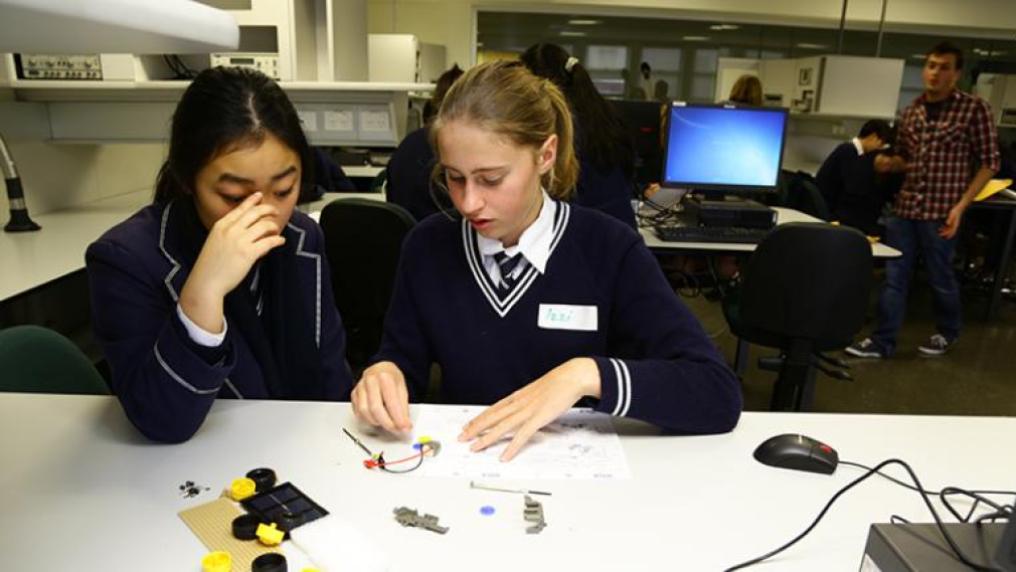
Community participation is supported through place-based initiatives such as Wyndham Tech School, citizen science programs, volunteering activities and environmental sustainability projects.
In 2025, Wyndham Tech School engaged more than 12,700 students and 590 teachers from 53 schools, working alongside more than 300 industry partners to align education with local workforce needs. Citizen science programs such as Platypus Watch and community activities including V4U Day and Community Tree Planting Day provided opportunities for residents, schools, community groups and industry partners to contribute directly to projects that benefit the region.
The partnership between VU and the Western Bulldogs Community Foundation demonstrates how the University works alongside trusted community organisations to strengthen participation, leadership, educational opportunity and community wellbeing. In 2025, more than 860 secondary school students participated in Foundation leadership, wellbeing and social impact programs, while over 350 newly arrived young people strengthened their confidence, connection and sense of belonging through community-based initiatives. More than 70 VU students undertook placements with the Foundation across disciplines including psychology, youth work, community development, nutrition and dietetics, and seven VU graduates secured employment through the partnership. The partnership also supports collaborative program evaluation and research, helping ensure initiatives remain responsive to community needs and informed by evidence.
Partnering with First Nations communities
VU maintains strong engagement with First Nations communities through Moondani Balluk, VU’s Indigenous Academic Unit, which works closely with Traditional Owners, Aboriginal organisations, Elders and community representatives to inform teaching, research, cultural initiatives and campus development projects.
Examples include collaboration with the Wurundjeri Woi Wurrung Cultural Heritage Corporation on the design of the Footscray Park Library and self-determined governance of the Aboriginal History Archive.
Delivering impact through collaboration
These activities demonstrate VU's structured and ongoing approach to identifying and engaging local stakeholders through publicly documented strategies, formal partnerships and collaborative programs that contribute to regional social, economic and environmental outcomes.
Partnering with principle: Shared decision-making with local communities
VU recognises that meaningful partnerships require stakeholders to be active participants in shaping priorities, programs and initiatives. VU therefore maintains a range of formal and informal participatory mechanisms that enable local communities, local government, industry, First Nations representatives, schools, community organisations and civil society groups to contribute to planning, decision-making and implementation activities across the University.
Regional partnerships and collaborative governance
A key mechanism is VU's partnership-based approach to regional development, which brings external stakeholders into collaborative governance and advisory processes. Through participation in the West of Melbourne Economic Development Alliance (WoMEDA), VU works alongside local councils, government agencies, businesses and community organisations to identify regional priorities and co-design responses to challenges affecting Melbourne's west. This provides a structured avenue for external stakeholders to influence activities and initiatives that support regional prosperity and community wellbeing.
First Nations leadership and community participation
VU's engagement with First Nations communities is underpinned by participatory approaches that support Aboriginal and Torres Strait Islander voices helping to shape decisions affecting culture, education, research and campus development.
In 2025, Traditional Owners, Elders, Aboriginal organisations and community representatives participated in the planning and design of the new Footscray Park Library and contributed to the governance and stewardship of the Aboriginal History Archive. These initiatives demonstrate VU's commitment to shared decision-making and self-determination.
Co-designing education and workforce development
Stakeholder participation is embedded across VU's education and workforce development activities. Wyndham Tech School works closely with schools, teachers, students, industry partners and government representatives to co-design programs that respond to local skills needs and future workforce opportunities. This collaborative model ensures that external stakeholders play an active role in shaping educational offerings and engagement activities.
Community organisations shaping programs and services
Community and civil society organisations contribute to university activities through partnership networks involving organisations such as CommUnity+, Westjustice, Western Chances, Western Health and Greater Western Water and the Western Bulldogs Community Foundation. Through these partnerships, stakeholders participate in the design and delivery of programs, research projects, community initiatives and services that address local priorities and challenges.
The partnership with the Western Bulldogs Community Foundation demonstrates how community organisations contribute to shaping and delivering initiatives that respond to local needs. Through ongoing collaboration, VU staff, students and Foundation representatives work together to design, deliver and evaluate programs focused on youth leadership, wellbeing, social inclusion and educational participation across Melbourne's west. This collaborative approach helps ensure that programs remain informed by community priorities and stakeholder perspectives.
Community participation in environmental sustainability initiatives
Environmental sustainability initiatives provide additional avenues for stakeholder participation. Programs such as Platypus Watch, Community Tree Planting Day and community volunteering activities create opportunities for residents, environmental organisations, schools and industry partners to contribute directly to projects that inform environmental stewardship and community outcomes.
Strengthening the region through participation
Together, these participatory mechanisms demonstrate how VU enables local stakeholders to contribute meaningfully to decisions, initiatives and programs that affect both the University and the broader communities it serves. Through ongoing collaboration, co-design and shared governance approaches, VU ensures that stakeholder perspectives help shape actions and outcomes across education, research, community engagement and regional development.