Altitude Hotel
The Altitude Hotel at Victoria University is a purpose-built altitude simulation and residential research facility.
Simulating high-altitude environments of up to 3,500 metres, it is one of the only facilities of its kind in Australia, enabling research that’s not possible in standard lab settings.
A unique research facility
The Altitude Hotel is a fully self-contained apartment designed for continuous residential research under simulated altitude conditions.
The facility allows participants to live, sleep and recover under controlled hypoxic conditions for extended periods while maintaining direct access to physiology laboratories and performance testing infrastructure.
This enables researchers to study long-term physiological adaptation, recovery, sleep, metabolism and performance in tightly controlled conditions.
The facility simulates altitude by increasing nitrogen levels and reducing ambient oxygen from the standard 20.9% to approximately 15.5%, equivalent to an altitude of around 3,500 metres.
Features of the Altitude Hotel
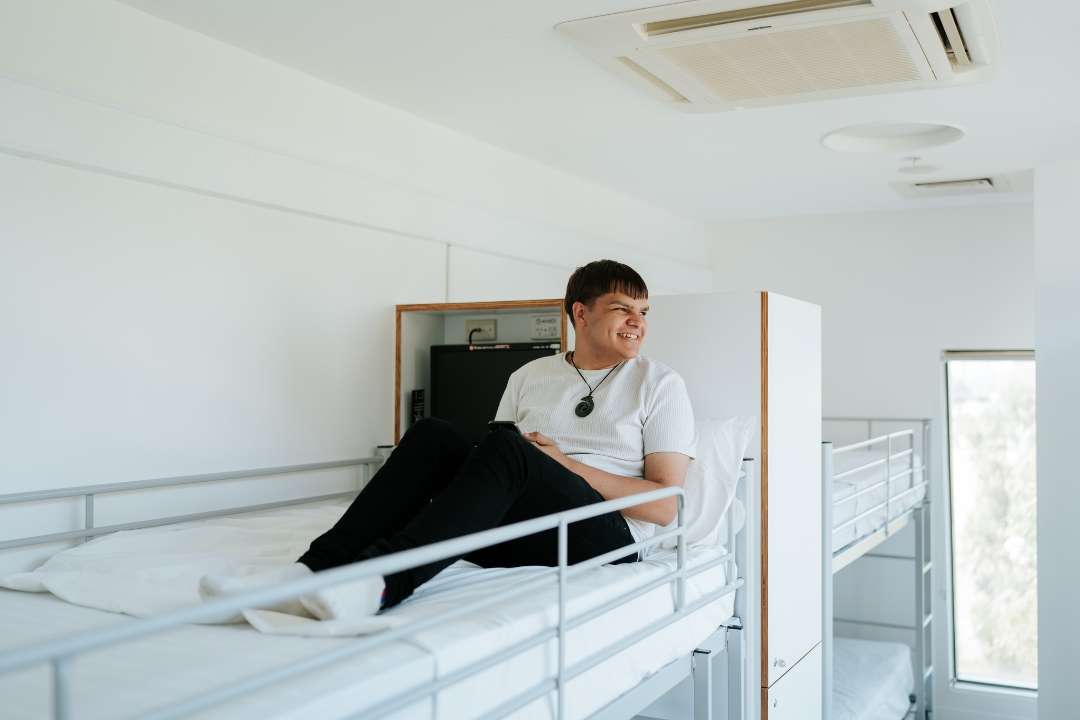
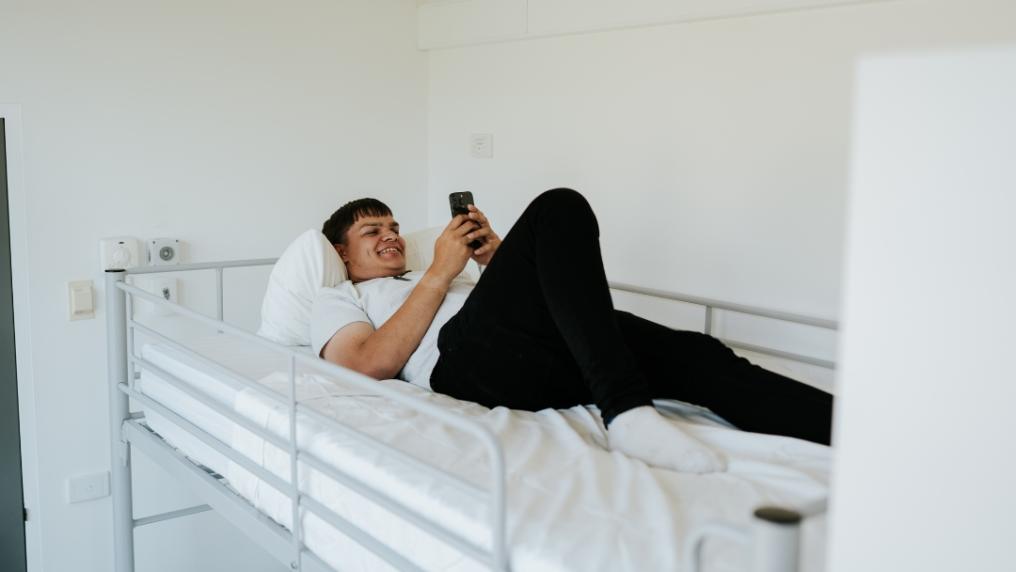
The apartment accommodates up to 16 participants across four bedrooms, each fitted with two sets of bunk beds. The facility includes:
- fully equipped kitchen
- lounge and dining area
- bathroom
- television and internet access
- air conditioning
- monitoring and safety systems.
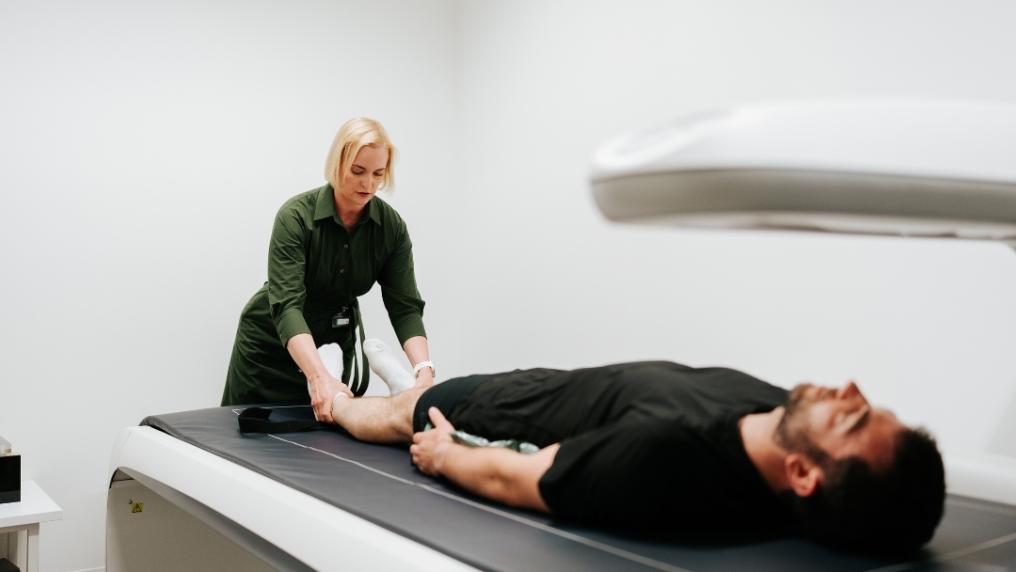
The Altitude Hotel is located adjacent to Victoria University’s dedicated physiology laboratories, allowing participants to move between the residential environment and exercise training, DEXA scanning, blood testing and other assessments without leaving the controlled setting.
This integration between residential altitude exposure and laboratory testing is rare and enables highly controlled research designs.
Why altitude & hypoxic research matters
Altitude and hypoxic environments are widely used across sport science, health and medical research to understand how the human body adapts to reduced oxygen availability.
These adaptations can influence:
- endurance performance
- recovery and training adaptation
- sleep quality and sleep physiology
- metabolism and glucose regulation
- cardiovascular function
- muscle physiology and body composition.
Simulated altitude research is used not only for athlete preparation but also for research into obesity, diabetes, ageing, respiratory health and cardiovascular disease.
Because the Altitude Hotel allows continuous exposure over extended periods, researchers can study long-term physiological adaptation rather than short-term responses, which are typically the only type of studies possible in standard altitude chambers.
Technical capabilities
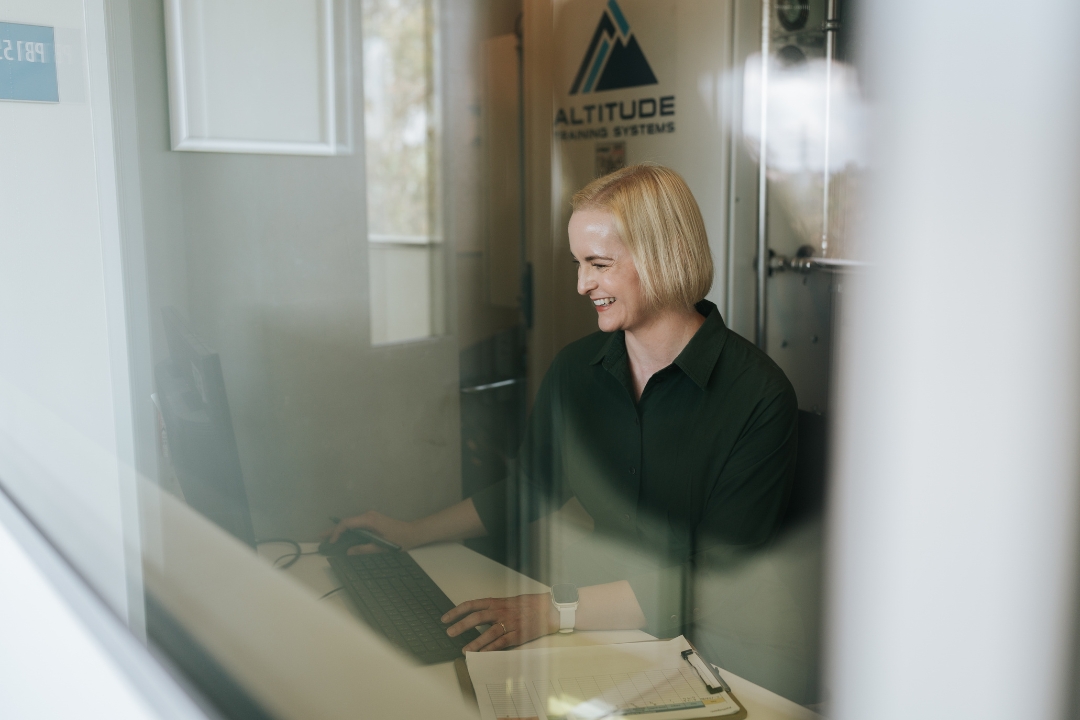
The Altitude Hotel operates using a normobaric hypoxic system, where oxygen concentration is reduced by increasing nitrogen levels while maintaining normal air pressure. This allows precise control of simulated altitude levels in a safe and stable environment.
Altitude levels can be adjusted depending on the research protocol, and environmental conditions are continuously monitored to ensure accuracy, safety and consistency across studies.
The facility can support a wide range of study designs, including:
- continuous altitude living studies
- live-high train-low protocols
- sleep and circadian rhythm studies
- nutrition and metabolic research
- team-based residential studies
- clinical and health research requiring controlled living conditions
- longitudinal sport science research.
Participants can live, sleep, eat, work and train within the controlled environment while researchers monitor physiological, metabolic and performance variables in the adjacent laboratories.



Research applications
Who uses the Altitude Hotel
The facility supports research and industry collaboration across a range of fields, including:
- sport and exercise science
- elite athlete preparation
- clinical and health research
- sleep research
- nutrition and metabolism
- environmental and altitude physiology.
Researchers at Victoria University and the Institute for Health and Sport have worked with elite sporting organisations, health researchers and industry partners to conduct studies that require tightly controlled living conditions over extended periods.