Average exercise physiologist salaries across Australian states

From helping someone with diabetes reclaim their quality of life to supporting cancer patients through treatment and beyond, it's meaningful, hands-on work that makes a real difference. And with an average salary of $80,000 to $90,000 and demand climbing across every state, being an exercise physiologist is a career with strong long-term prospects.

Here's what you can expect working as an exercise physiologist in Australia – from where the jobs are to what you'll earn across each state and territory.

Exercise physiology: stats at a glance

Average national salary$85,000
In shortage?Yes, across Australia and especially in rural areas
Employment growth – year on year+7%
Employment growth projectionStrong
Sources: Seek, ESSA, Jobs and Skills Australia

Australia's burden of chronic disease is one of the biggest drivers of demand for exercise physiologists. According to the Australian Institute of Health and Welfare, almost half of all Australians are living with at least one chronic condition – and exercise is now recognised as a clinical tool for managing everything from cardiovascular disease and type 2 diabetes to cancer, osteoporosis, and mental health.

That's put accredited exercise physiologists firmly in the spotlight. They're funded across a variety of bodies and programs across the healthcare system – through Medicare, the NDIS, WorkCover, private health insurance, and more – meaning demand is spread well beyond private clinics. Hospitals, community health centres, aged care facilities and workplace wellness programs all need qualified exercise physiologists to meet growing patient numbers.

Add to that an ageing population and a broader health system shift toward preventive and exercise-based care, and you have the conditions for a profession that's only looking up.

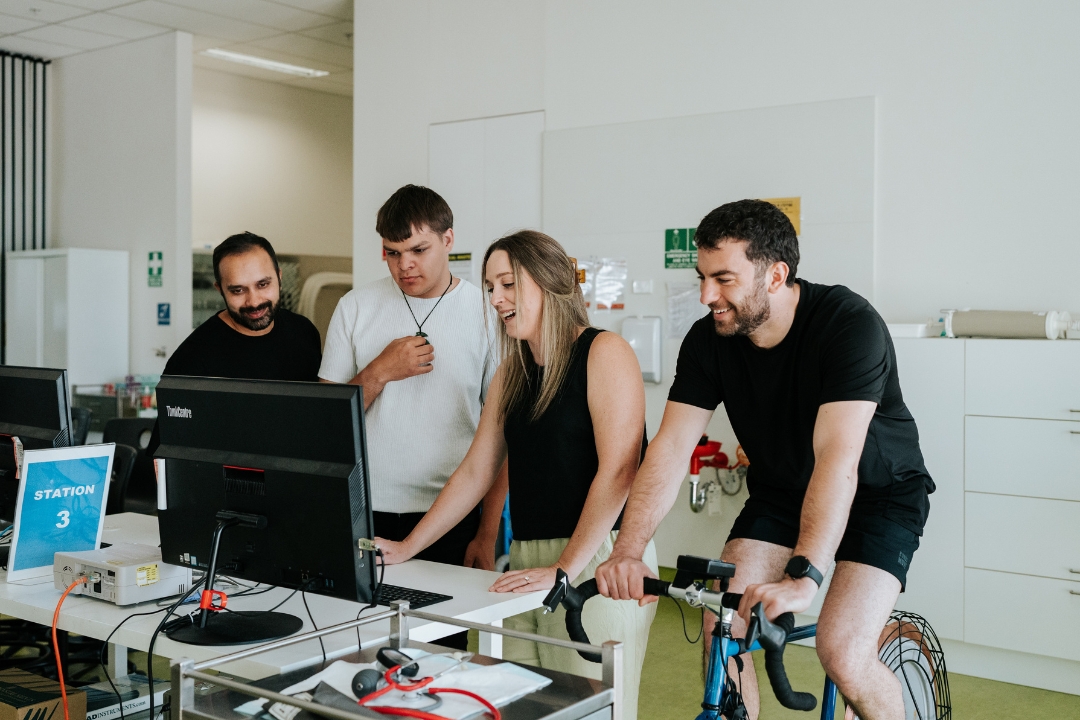
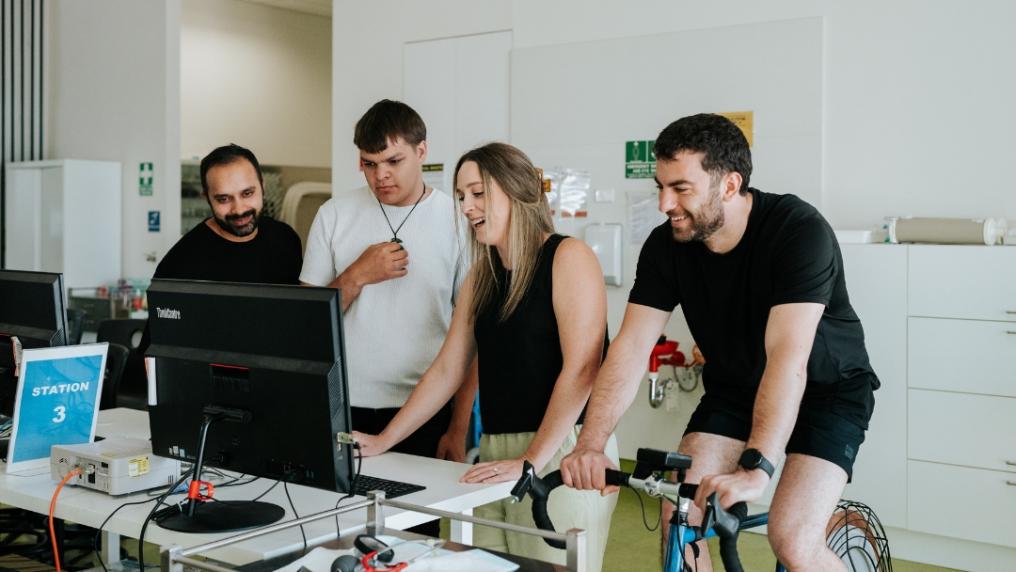
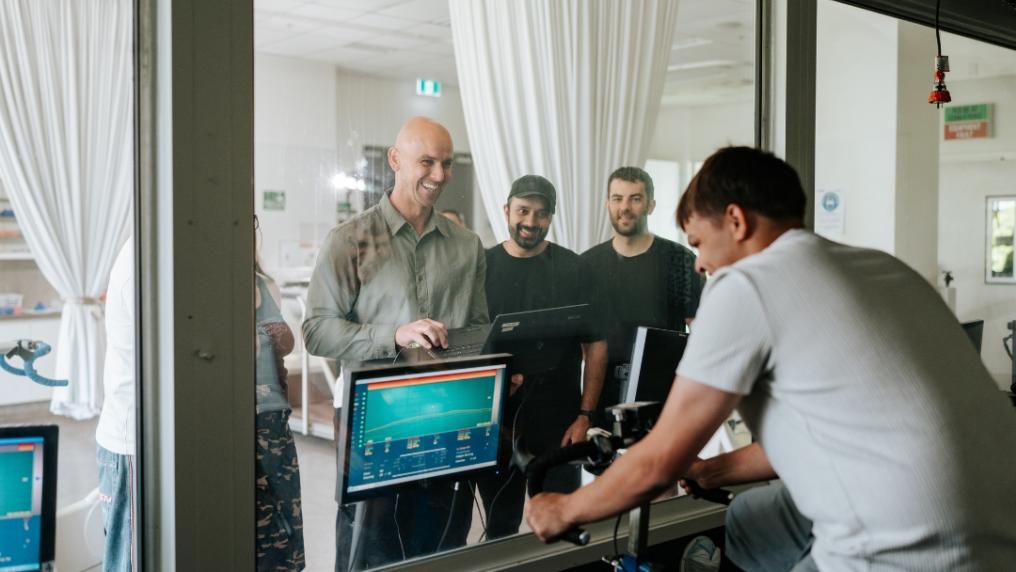
Exercise physiology students stand around computer and stationary bike

How much do exercise physiologists earn in Australia?

On average, exercise physiologists earn about $80,000 to $90,000 in Australia. But keep in mind that these figures will vary based on your experience, employer type and whether you're working in private practice, the public health system, NDIS or another setting.

Plus, salaries for accredited exercise physiologists vary across Australia depending on state, setting and experience level. To give you a picture of what you could earn after graduating, we've compiled Seek salary data across every Australian state and territory. 

How much are exercise physiologists paid in Victoria?

Victorian exercise physiologists average a salary of around $85,000

Regional demand plays a role – in areas like West Gippsland and the Latrobe Valley, exercise physiologists earn an average of $90,000, reflecting the ongoing allied health shortage outside Melbourne's inner suburbs. Melbourne itself averages around $89,750, making it one of the highest-paying capital cities for the profession nationally.

How much are exercise physiologists paid in New South Wales?

In New South Wales, exercise physiologists earn an average of around $85,000, with notable increases in rural and regional areas. 

Wagga Wagga and the Riverina average $100,000 – one of the highest of any regional area in the state. Dubbo and Central NSW average around $91,000, and Lismore and the Far North Coast average $90,000, reflecting the higher remuneration commonly offered to attract allied health professionals to regional communities.

How much are exercise physiologists paid in Queensland?

Just like Victoria and New South Wales, Queensland exercise physiologists earn an average of around $85,000, with strong regional variation. 

In resource-heavy areas like Mackay and the Coalfields, average salaries reach $94,500 – well above the state average. The Gold Coast and Sunshine Coast both average around $87,500 to $90,000, reflecting strong demand from a fast-growing population and a high volume of sports, aged care and NDIS providers.

How much are exercise physiologists paid in the Northern Territory?

The NT is home to some of the highest-paying exercise physiology roles in the country. Alice Springs and Central Australia average $103,000 to $105,000 – a reflection of significant allied health shortages in remote areas and the incentives offered to attract qualified professionals. 

Darwin-based roles typically sit closer to the national average – around $80,000 to $90,000 – but the potential for higher pay is greater for those willing to work across the Territory's more remote communities.

How much are exercise physiologists paid in Western Australia?

In WA, state-level averages sit within the national range at around $80,000 to $90,000, but remote and regional roles – particularly in the Pilbara and Kimberley regions – offer higher salaries. 

Mining and resources companies, which run large onsite health and injury management programs, are major employers of exercise physiologists in WA and often offer packages well above the state average.

How much are exercise physiologists paid in ACT?

Over in ACT, exercise physiologist salaries average slightly higher than other states – ranging from $80,000 to $100,000.

As a predominantly metropolitan territory with a well-funded public sector and strong healthcare infrastructure, the ACT offers stable employment and good conditions – particularly in hospital and community health settings.


How much are exercise physiologists paid in South Australia?

South Australia's state-level average sits within the national range (around $80,000 to $90,000), but the premium for rural and remote work is especially clear here. 

The Riverland and Murray Mallee region averages $101,000 for exercise physiologists – one of the highest regional averages in the country – highlighting the significant allied health shortage outside Adelaide.


How much are exercise physiologists paid in Tasmania?

Tasmania offers steady, consistent employment for exercise physiologists. Roles in Hobart average around $80,000 to $85,000, and state-wide salaries align broadly with the national range. 

Tasmania's smaller population and limited allied health workforce mean opportunities are reliable for those who want to establish themselves in a close-knit professional community. Roles in workplace rehabilitation and NDIS can offer salaries at the higher end of the national range.

Exercise scientist vs exercise physiologist: what's the difference?

Not all exercise science graduates do the same work. If you're exploring this career, it's important to know the difference between an accredited exercise scientist (AES) and an accredited exercise physiologist (AEP).

Accredited exercise scientists

Exercise scientists work with healthy people – think sport performance, corporate wellness, community fitness and injury prevention. 

As an AES, you might work in community health, sport and performance, corporate wellness, fitness programming or injury prevention. You can also work alongside AEPs in clinical settings, supporting exercise delivery for non-clinical clients.

Accredited exercise physiologists

AEPs are clinically trained allied health professionals who work with people living with chronic conditions, injuries or disabilities. 

It takes an extra 1.5 years of postgraduate study on top of your bachelor's – but it also unlocks a significantly broader scope of practice, including Medicare, NDIS and WorkCover billing.

How to study exercise physiology at VU

Whether you're coming straight from Year 12 or upskilling into a new career, there's a pathway into exercise physiology at VU that fits where you are right now.

Plus, we're currently ranked #6 in the world for sport science, so you know you're in good hands.

Just finished Year 12? Start with a bachelor's degree.

Pivoting into exercise science? Start here.

Why study exercise and sport science at VU?

Whether you're aiming to become an AES or go all the way to AEP accreditation, VU gives you the practical skills, clinical experience and industry connections to launch a career you'll love.

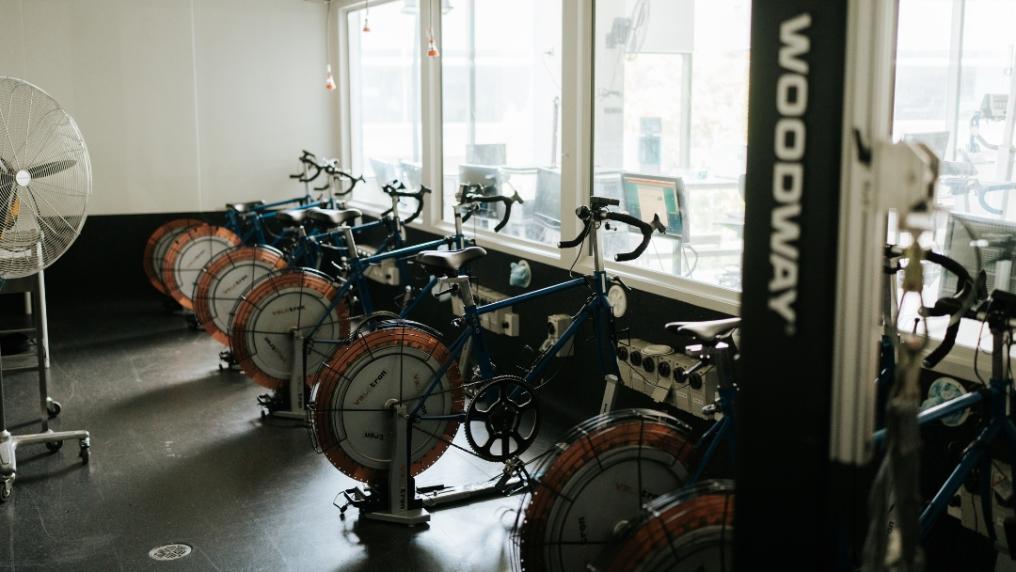
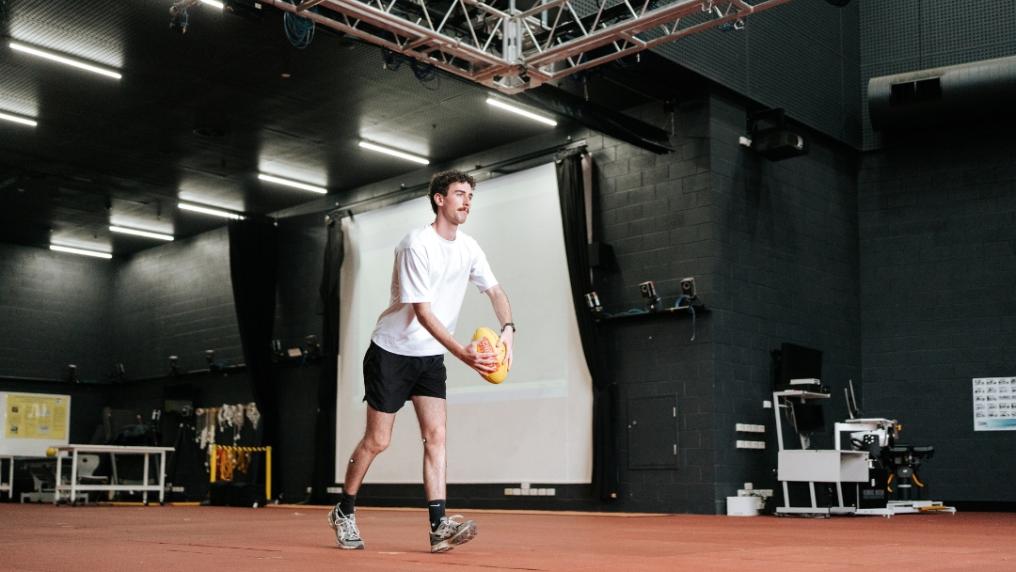
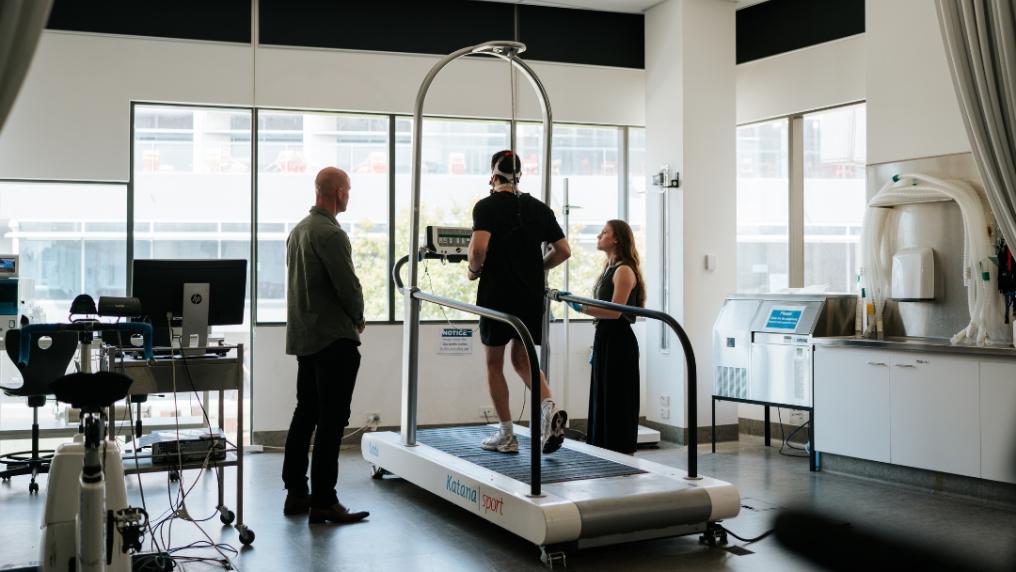
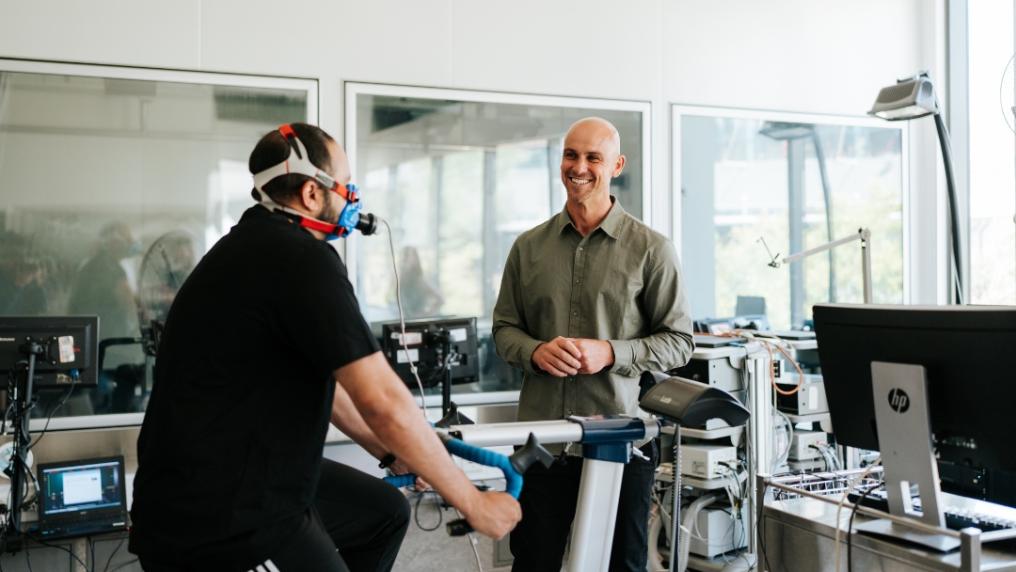
  • Learn hands-on skills in VU's world-class exercise physiology labs.
  • Access VU's network of 200+ sport and health partners – including the Western Bulldogs, Australian Sports Commission and the Australian Institute of Sport – for placements that let you apply what you've learned in the classroom.
  • Study one subject at a time in small, focused classes with our award-winning VU Block Model® – so you can go deep on each topic without the juggle.
  • Move from undergraduate to postgraduate in a single connected pathway, with your VU bachelor's degree meeting the ESSA-accredited master's entry requirements.
  • Get support at every step, with mentoring, academic advisors and career services so you're never left to figure it out alone.

Graduate with the accreditation, placement hours and real-world experience to step straight into one of Australia's most in-demand allied health professions.

Apply now