Supporting the frontline of our rapidly growing health workforce
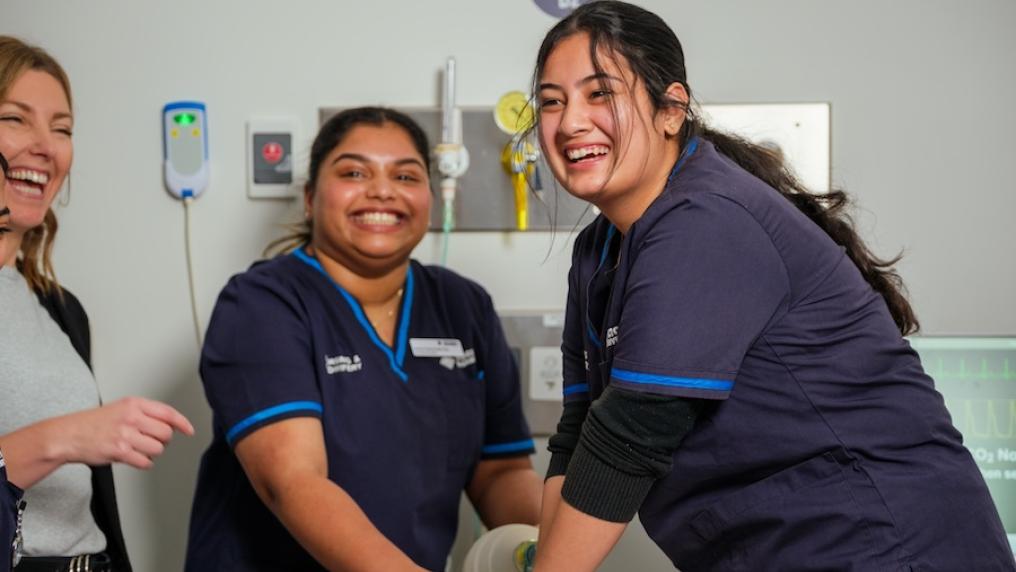
They’re the people who hold our hands in emergencies, manage the chaos of hospital corridors and keep aged-care residents connected to life.
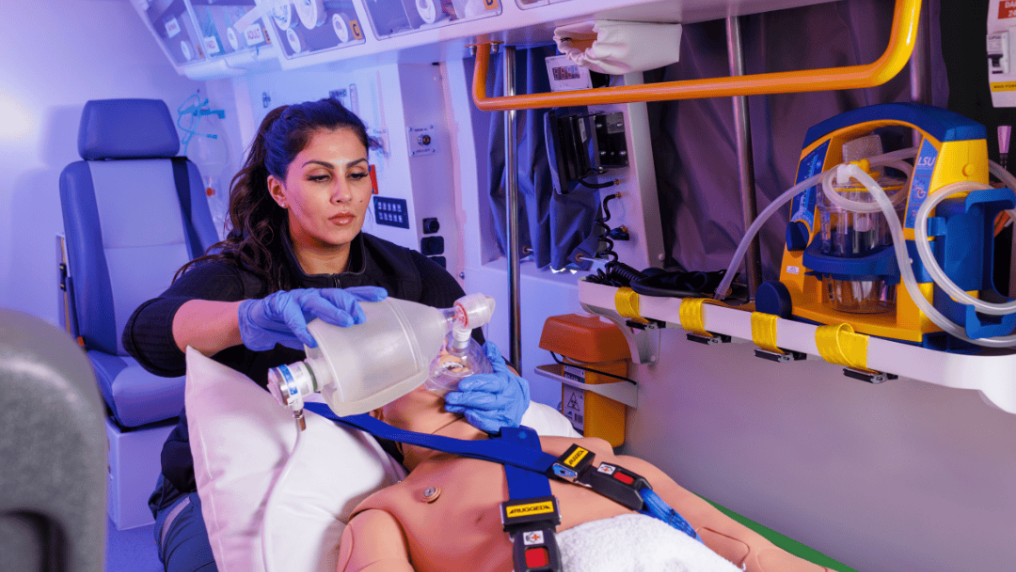
Every day our health system depends on dedicated frontline workers – clinicians, paramedics, allied health, community carers – who deal with rising demand, technology shifts and increasingly complex care settings.
We know there’s demand, but simply asking “how many more health workers do we need?” misses the bigger question: How do we sustain and support a thriving healthcare industry long-term?
Because if we train more people into a workforce that burns out or leaves, we haven’t solved the problem – we’ve just started it again.

Pressure behind the smiles
A growing body of research, including the Future-Proofing the Frontline study co-led and authored by VU’s Professor of Public Health Karen Willis, paints a clear picture: healthcare workers are remarkably resilient – but the systems they work in often aren’t.
During the COVID-19 pandemic, more than half of surveyed frontline staff reported burnout, exhaustion or symptoms of depression and anxiety. Many said their workplaces offered yoga sessions or “resilience training” – while rosters remained understaffed and support inconsistent.
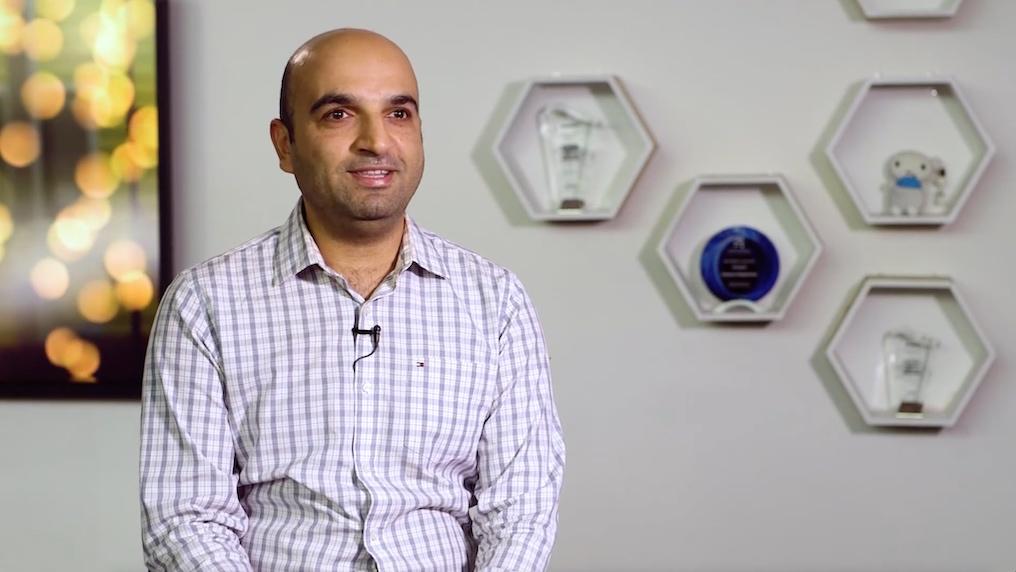
Professor Willis has been educating healthcare workers for more than 30 years and is using that expertise to help develop ways to future-proof the next generation.
“We found most health organisations focused on individual resilience,” she said. “What was needed was a focus how organisations themselves needed to change to better support their health care workers.”
In 2020, more than 5,000 frontline healthcare workers identified these four priorities as the strategies needed to assist them during future crises: strong leadership, supportive workplace structures, community at work, and an organisational culture that normalises mental-health support.
Workers who felt their organisation cared about their wellbeing were significantly less likely to experience depression or PTSD.
Strategic levers for change
The research conducted by Professor Willis, working with clinician researchers, highlights the following three inter-linked levers as critical:
- Culture – Workplaces where mental health, wellbeing and staff voice are integrated into leadership, operations and strategy do better at retaining people.
- Conditions – Staffing levels, rostering models, workload, career pathways and workplace design impacts retention and long-term performance.
- Capability – Staff need training that nurtures their adaptability, leadership, digital literacy and collaboration skills on top of their clinical skills.
Professor Willis and her team also developed an organisational checklist to help health services design an effective and evidence-based mental health and wellbeing strategy.
Melbourne’s west: the growth zone for care
For VU, the issue hits close to home. Melbourne’s west is one of Australia’s fastest-growing regions – and health care and social assistance are leading the charge.
Over the next decade, 25,000 new jobs are forecast across the health and care economy here. But that growth will only deliver value if the people filling those roles are supported to stay.
VU is not just responding – it’s shaping how the sector will respond. With campuses across the western suburbs, the university is physically and institutionally anchored in the region that needs more workforce capacity. VU’s courses feed directly into local demand.

A health precinct built for the future
We're already seeing this demand take shape in Footscray, where VU’s main campus is connected by a bridge to the new $1.5 billion Footscray Hospital – due to open in 2026. This is set to form a world-class health and education precinct, bringing training, research and real-world care into one connected ecosystem.
Each year, more than 800 VU students go on placement across Western Health spaces. With the new hospital next door, that integration will deepen: students will move seamlessly between lecture theatres, labs and live hospital settings – learning shoulder-to-shoulder with practitioners.
It’s a model designed not just to teach skills, but to embed students in the kind of workplaces that value staff wellbeing, leadership and collaboration from day one.

Education to match the real world
The VU Block Model is another important piece of the puzzle. Instead of juggling four subjects at once, students focus on one at a time in four-week bursts. The result is more focus, less stress and better retention – especially in high-pressure disciplines like nursing, midwifery and paramedicine.
It also mirrors how health work actually happens: intensive focus, reflection, teamwork, reset – rather than constant multitasking. This structure also helps students build confidence and stay engaged, particularly those balancing study with work or family commitments.

Building a system that cares for its carers
Future-proofing the frontline isn’t about more funding announcements or wellbeing posters. It’s about alignment: between universities and hospitals, between training and reality, between what workers need and what systems deliver.
VU’s partnerships with Western Health, the Victorian Health Building Authority and industry bodies are designed to do exactly that – to connect education with place, and research with practice.
The future of care demands not just competence, but compassion for frontline workers to safeguard our workforce long-term.
Future-proof learning for the frontline
Frontline health work will never be easy. But with smarter training, supportive workplaces and institutions willing to lead change, it can be sustainable.
At VU, that’s already happening – through the research of leaders like Professor Willis, through the VU Block Model that keeps students on track, and through the next-generation hospital rising beside the Footscray Park campus.
Keen to join the crucial and fast-growing health and care industry? Learn how to protect the health of our communities while getting the support and skill set to thrive long-term.