Physio vs osteo vs chiro: which is right for me?
If you’re drawn to health and movement, you’ve probably looked into physiotherapy, osteopathy and chiropractic for a good reason: they’re hands-on, people-focused careers where you help someone feel better and function better in their everyday life.
Deciding the right path can be tricky when they overlap in the kinds of problems they see – pain, mobility issues, injury rehab.
But these three disciplines take different routes to assessment, treatment and long-term care.

Quick differences
Physio vs osteo vs chiro – what do they have in common?
All three are hands-on allied health careers, and all three work with people who want to move better and hurt less. In practice, you’ll see a lot of overlap in the kinds of problems people bring in – especially musculoskeletal pain, movement limitations and injuries.
Across physio, osteo and chiro, you’ll do similar things, including:
- taking a detailed history (what hurts, when, what makes it better/worse, what they’ve tried)
- assessing movement and function
- explaining what’s likely going on in plain language
- building a plan that fits the person – often a mix of hands-on care, exercise or movement advice, and day-to-day strategies.
After that, the differences become clearer: physios lean harder into rehab, exercise and broader health settings, while osteo and chiro are more commonly clinic-based and manual-therapy centred (with variations from practitioner to practitioner).
How physiotherapy, osteopathy & chiropractic approaches differ
These three disciplines approach treatment starting from different places:
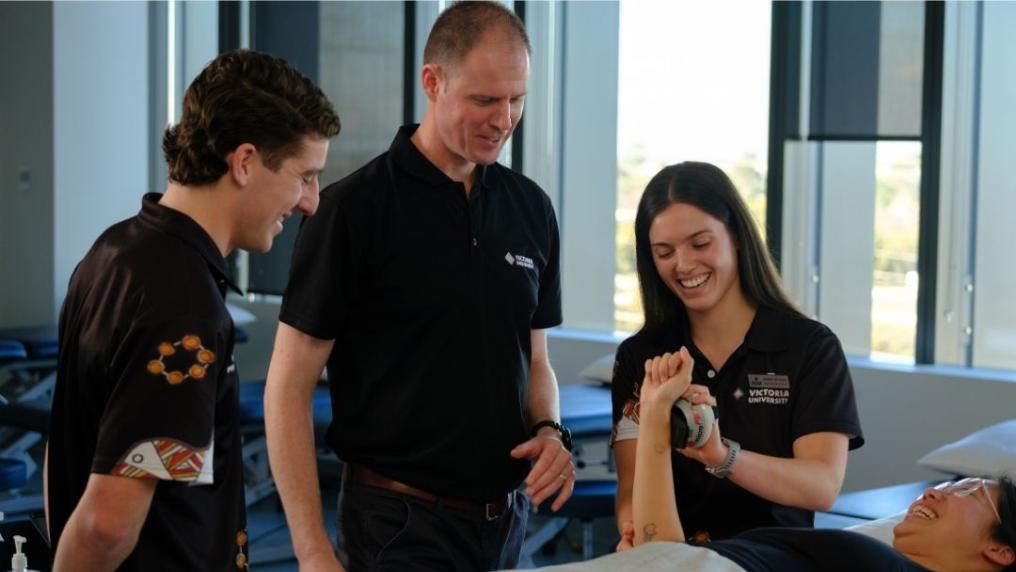
- Physio often starts with function – what you need to get back to doing – then builds an exercise and loading plan to get you there (often as part of multidisciplinary rehab teams).
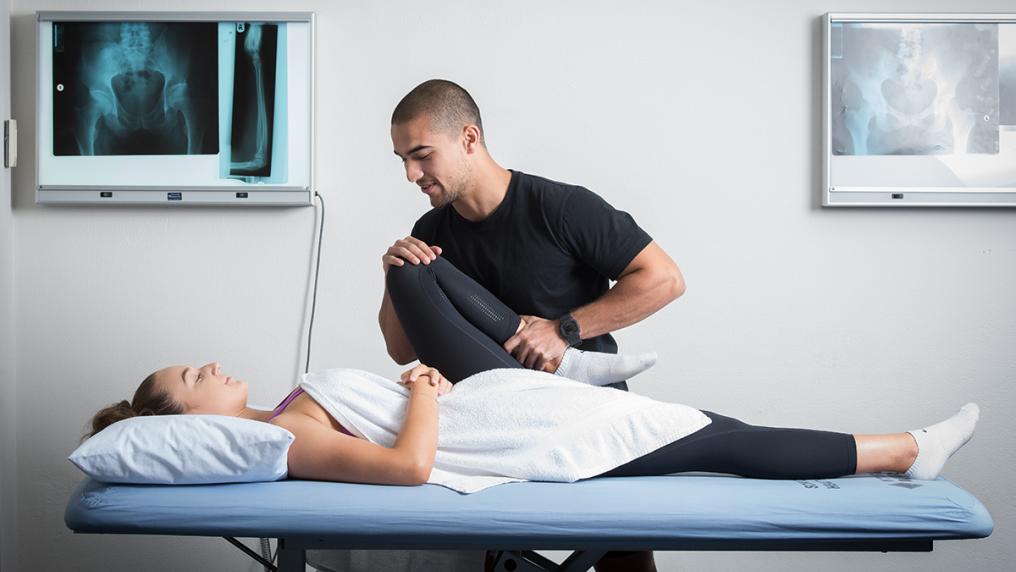
- Osteo often starts with whole-body mechanics – how different areas may be contributing to the problem – then combines hands-on techniques with movement advice and rehab.
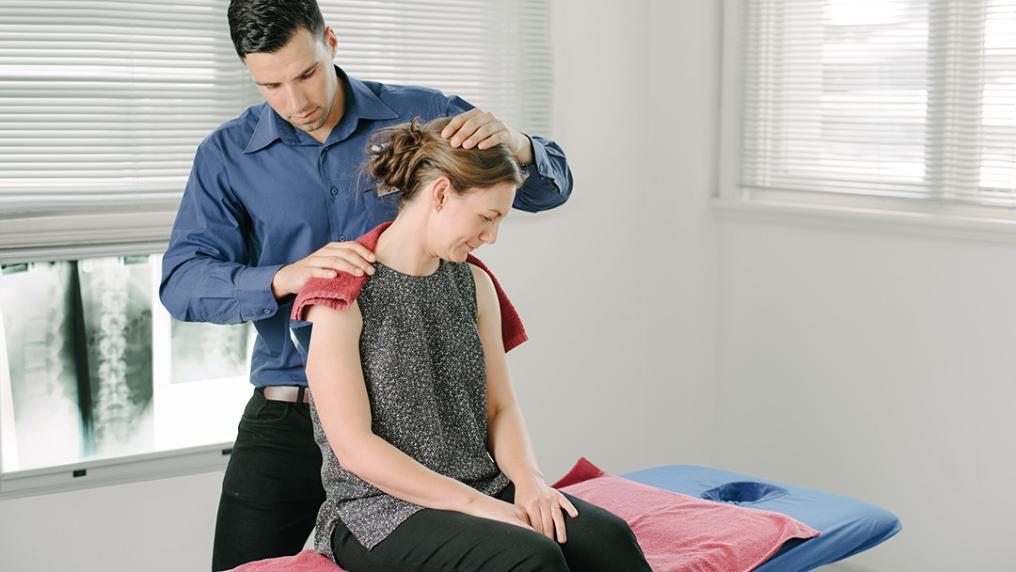
- Chiro often starts with spinal function – particularly for back and neck pain – then builds a plan that can combine manual techniques, movement advice and education.
What you’ll do in the job
This is the part that matters to most people – imagining the day-to-day once you’ve graduated and are out in the workforce.
Which one suits you best?
What does specialisation look like?
You don’t have to pick a specialty on day one – but it helps to know what’s out there.
Physio specialties can include musculoskeletal, sports and performance, hospital/acute care, rehabilitation, neurological, cardiorespiratory, paediatrics, women’s health/pelvic health, disability and aged care/community health. Some physios go on to pursue formal specialisation pathways later in their career.
Osteo and chiro careers are most commonly clinic-based and musculoskeletal-focused, but the day-to-day can still vary a lot – from persistent pain and return-to-sport work, to workplace and ergonomics support, to multidisciplinary clinic settings.
Study pathways at VU
Still not sure? Here's a quick check to decide with confidence
If you're still torn about which direction to go:
1. Pick your preferred work setting
- If you’re drawn to hospital teams, rehab, disability and aged care as well as private practice treatments for specific conditions backed by rigorous evidence-based research, physio tends to fit best.
- If you picture yourself mostly in clinic-based, longer-term holistic hands-on care, osteo or chiro may be a better match.
2. Compare how you'll treat patients
- Rehab progressions and exercise prescription (with hands-on care as part of the mix) – physio.
- Whole-body mechanics and hands-on assessment and treatment – osteo.
- Spine-centred musculoskeletal care plans with manual techniques and education – chiro.
3. Look at the learning experience
Compare clinic exposure, placement style, and the kinds of clients you’ll work with during training – because that’s what your day-to-day will feel like once you graduate.
Study at VU
Whichever path you choose, you’ll be building a career around evidence-informed care, clear communication, and helping people move through life with more confidence.