Amid a surge in energy prices, a windfall tax on gas profits could be the best way to protect households
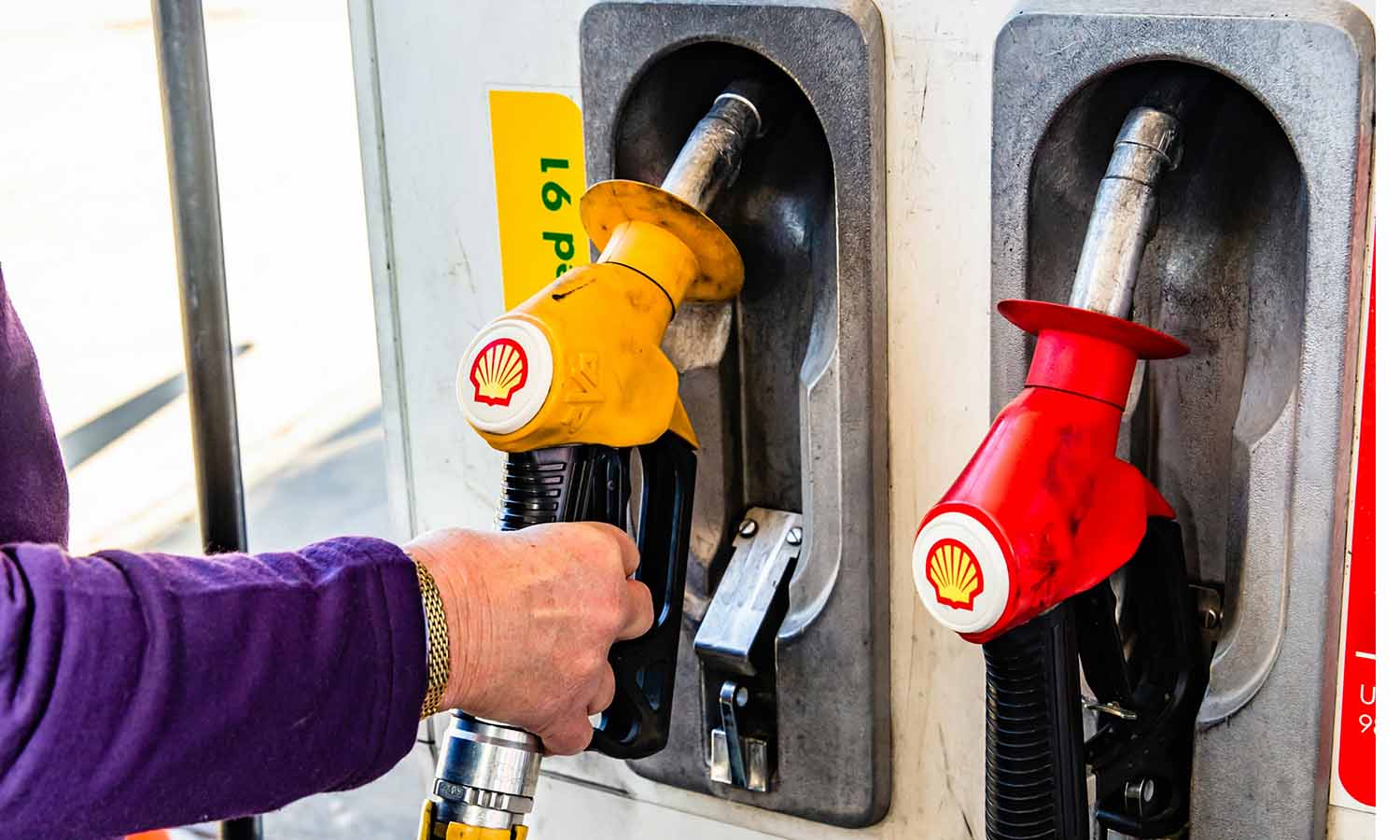
The war in Iran has once again exposed how vulnerable the world’s energy markets are to geopolitical disruption. In wild swings, benchmark crude oil prices spiked as high as US$120 per barrel, roughly 50% higher than before the conflict, before sliding below $100.
Energy price surges hit households quickly. Higher petrol prices raise transport costs and push up everyday prices. This is the second major energy price spike in the past five years due to war.
The federal government faces a familiar question: what policy tools should it use to respond to sudden global oil price shocks and rising living costs?
For Australia, the answer is more complex because of its unique position in global energy markets. But right now, there is a strong case for taxing windfall gas profits to help households – as long as we get the policy right.
Australia’s unique position in energy markets
Australia imports most of its crude oil and refined petroleum products. Like many other oil-importing countries, it is exposed to the adverse effects of higher oil prices on transport costs, consumer prices and business costs.
But at the same time, Australia is also one of the world’s largest exporters of liquefied natural gas (LNG). Gas prices have surged about 50% in Asia and Europe since the start of the conflict, while prices for LNG export contracts typically lag by three to six months.
This means the same global energy shock that raises Australian households’ energy bills also generates very high profits for gas exporters such as Woodside, Chevron, Shell, Inpex and Santos.
However, Australia’s gas industry is largely foreign owned. This means a large share of the additional profits generated by higher energy prices flows overseas, rather than directly benefiting Australian households.
This raises an important policy question: should part of these windfall gains be captured to help households cope with higher energy costs? And how would this compare with cutting fuel taxes?
In our research, we modelled the impact of a global oil supply shock on Australia and compared two fiscal tools:
- a fuel excise cut, similar to the one implemented in 2022, and
- a temporary levy on supernormal profits in the energy sector.
Here are our findings.
The high cost of a fuel tax cut
Cutting the fuel excise can make petrol cheaper in the short term and cushion the shock. But it comes at a significant cost to the federal budget.
The federal government halved the fuel excise for six months during the last energy crisis after Russia invaded Ukraine in 2022.
The policy helped reduce petrol prices – but cost the budget about A$5.6 billion in lost revenue, weakening the government’s fiscal position.
And this does not address rising gas prices. Domestic businesses and households compete with overseas buyers for Australian gas, pushing energy bills higher.
Treasurer Jim Chalmers said last week the government is unlikely to repeat the fuel excise cut, saying it is “not something we’ve been considering”. Instead, he pointed to other cost-of-living measures and petrol price monitoring.
If fuel tax cuts are off the table, what other policy tools are available?
Why taxing windfall gains may work better
Our modelling suggests a temporary levy on windfall profits in the energy sector may work better.
When global energy prices surge, gas exporters can earn unusually large profits. Economists often call these “windfall gains” or “scarcity rents”. These profits arise not because companies become more productive or innovative, but from global energy price shocks.
Because much of Australia’s gas industry is foreign-owned, a significant share of these gains flows overseas. A temporary levy on windfall profits during energy shocks could capture part of these gains and redirect them to support households facing higher energy costs, without weakening the federal budget.
Global gas prices have also surged as supply from the Middle East was disrupted.
Australian gas mainly sells to Asian markets. LNG exporters benefit both from higher global LNG prices, and from rising oil-linked LNG contract prices.
This strengthens the economic case for a temporary windfall tax when Australian households face rising energy bills and cost-of-living pressures.
Designing a tax that works
Australia’s dual role as both an energy importer and exporter matters for policy design.
In our study, the energy profit levy is temporary and well defined. In practice, firms may worry that a “temporary” tax could become a precedent for repeated new taxes whenever prices rise.
This concern doesn’t mean the government shouldn’t act, but it does mean the design of the policy matters. A poorly designed tax could create uncertainty and discourage investment.
If investors feel the government will only tax the “unexpected” highs without offering support during the “unexpected” lows, they may be less likely to fund future projects. A serious policy proposal would require three features:
• Well-defined triggers: Clear rules for when the tax applies.
• Sunset clauses: A legal “expiry date” so the tax ends when the crisis does.
• A fair tax base: Applying only to windfall profits generated by global price shocks.
A carefully designed temporary levy on windfall energy profits is therefore worth exploring to help protect Australian households from global energy shocks.
Locky Xianglong Liu, Research fellow, Centre of Policy Studies, Victoria University; James Giesecke, Professor, Centre of Policy Studies and the Impact Project, Victoria University, and Jason Nassios, Deputy Director and Associate Professor, Centre of Policy Studies, Victoria University
This article is republished from The Conversation under a Creative Commons license. Read the original article.
