Average engineer salaries across Australian states

Are you drawn to building things – bridges, software, energy systems or the infrastructure that holds cities together?

Engineering is one of Australia's most essential – and most in-demand – career paths. And if you want to know how much you can earn while doing it, you're in the right place.

Engineering: stats at a glance

Average national salary$115,000 (across all engineering disciplines)
In shortage?In general, yes – across many disciplines and across most states
Employment growth – year on year+6.4%
Employment growth – next 5 years+10.5%
Sources: Seek, Engineers Australia, Employment Hero

Demand for engineering skills is outpacing supply, growing at three times the rate of the general workforce

Shortages persist across critical disciplines – including aeronautical, biomedical, civil, electrical, mechanical and more.

In short: if you're an engineer in Australia right now, employers are looking (and competing) for you.

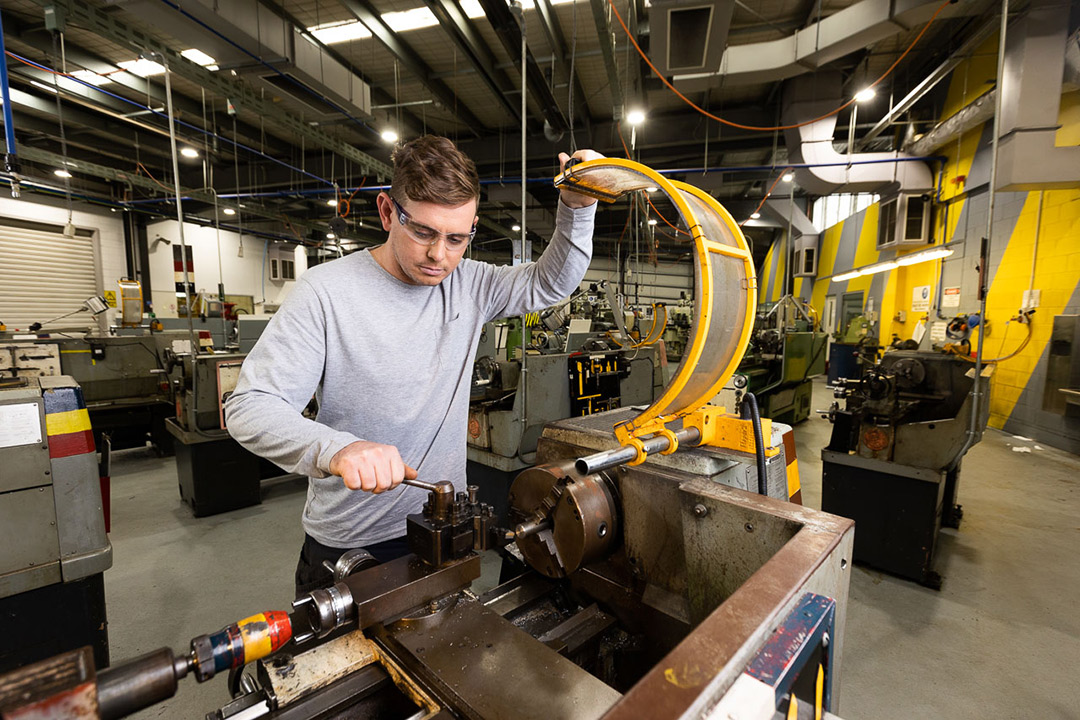
A young man operates sophiticated machinery in a large, bright workshop

How much do engineers earn in Australia?

On average, most engineers earn about $115,000 annually. Just remember that there are roughly 16 engineering disciplines accredited in Australia, so this figure may differ.

Plus, your salary will also depend on:

  • your total work experience
  • the sector you work in
  • the location and type of work you do – rural and/or fly-in, fly-out (FIFO) roles often include higher salaries, relocation support or additional allowances.

How much are engineers paid across each discipline?

According to SEEK, here's an average salary breakdown of the most common engineering disciplines, from highest to lowest.

  1. Mining, resources and energy: $147,990
  2. Information and communication technology: $137,496
  3. Government and defence: $110,872
  4. Engineering: $108,224
  5. Manufacturing, transport and logistics: $106,875
  6. Construction: $96,521

How much do engineers earn in New South Wales? 

In NSW, engineers can earn between $115,000 to $135,000 as an average across all disciplines. 

Demand is higher in regional areas including Tumut, Snowy and Monaro, where engineers can expect to earn north of $140,000.

How much do engineers earn in Victoria? 

In Victoria, the average annual salary for an engineer ranges from $115,000 to $135,000, with higher salaries in regional areas like Mildura and Murray.

Victoria's abundance of engineering projects – including the Suburban Rail Loop (the state's largest infrastructure project to date) – have created a healthy economy of engineering jobs across many disciplines.

  • Mining engineers: Victorian mining engineers often earn $140,000 to $160,000 annually, with roles in the Latrobe Valley and Gippsland regions typically offering strong salary packages.
  • Civil engineers: Civil engineers in Victoria can expect to earn between $80,000 to $90,000. The Suburban Rail Loop is expected to support up to 24,000 new jobs, with specific graduate programs actively recruiting civil, electrical, mechanical and geotechnical engineers. 
  • Software engineers: Similar to Sydney,Melbourne's tech sector offers software engineers between $105,000 and $125,000. Demand for digital engineering skills is also being driven by Victoria's renewable energy transition, with the Victorian Energy Jobs Plan set to outline workforce requirements for the state's clean energy transformation.

How much do engineers earn in South Australia? 

Over in South Australia, engineers can expect to earn between $95,000 to $115,000 annually. 

Of particular note is South Australia's defence industry – where engineering roles are forecast to more than double by 2040.

How much do engineers earn in Queensland? 

The average annual salary for Queensland engineers ranges from $95,000 to $115,000, with regional roles in Cairns and Far North Queensland pulling in higher annual salaries.

While NSW and Victoria still employ the most civil engineers in Australia, growth has been strong for Queensland and its various infrastructure projects – including the Rockhampton Ring Road and the 2032 Brisbane Olympic and Paralympic games.

How much do engineers earn in the Northern Territory? 

Engineers working in the Northern Territory earn a higher average salary than other states, ranging from $135,000 to $145,000

How much do engineers earn in Western Australia? 

Western Australia consistently ranks among the highest-paying states for all engineers – $115,000 to $135,000 – chiefly due to its mining and resources sector. There's an acute demand for mining engineers across WA, particularly in remote areas like Bunbury and the South West.

How much do engineers earn in ACT? 

The average annual salary for engineers in the ACT ranges from $90,000 to $110,000.

  • Mining engineers: While ACT doesn't have a significant mining sector, mining engineering roles still exist, with salaries usually ranging from $145,000 to $165,000.
  • Civil engineers: The average annual salary for ACT civil engineers ranges from $90,000 to $100,000. Demand is currently high for civil engineers with experience in transport, water and community infrastructure.
  • Software engineers: Software engineers in ACT can expect to earn an annual salary ranging from $115,000 to $135,000.

How much do engineers earn in Tasmania? 

The average annual salary for engineering jobs in Tasmania ranges from $100,000 to $120,000, across all disciplines.

What kind of engineering disciplines are there?

Traditionally, engineers were spread across five broad disciplines of engineering – civil, electrical, mechanical and structural. 

Today, these have grown into roughly 16 distinct areas – some states recognise more than others – and many of these disciplines are constantly evolving. 

Some of these modern engineering disciplines now include:

  • aerospace
  • biomedical
  • industrial
  • materials
  • mechatronics
  • mining
  • petroleum
  • software/ICT
  • telecommunications
  • systems
  • transport.

Note that the naming of these fields can vary slightly by regulator, university or employer. 

What affects your engineering salary?

Here are a few other things that move the needle when it comes to pay. 

Discipline: In general, fields like software engineering and mining typically have a higher average annual salary, while civil and mechanical engineering sit closer to the national average. 

Location: Working in remote or regional areas – especially in WA, QLD and NT – can often net you higher pay, along with accommodation and travel packages.

Specialisation: Diving deeper within a specific discipline – e.g. cybersecurity or cloud computing within the software/ICT field – can reward you with a larger annual salary. 

Chartered status: As the highest available technical credential for engineers, becoming a Chartered Professional Engineer through Engineers Australia opens the door to career progression, leadership roles and more career opportunities.

Is engineering for me?

Before considering salary, it's worth discussing whether engineering is right for you. 

Engineering is one of the most varied careers on the planet – and it might be right for you if you:

  • love solving problems
  • are curious about how things work
  • enjoy maths and science
  • want to make a tangible difference in the world around you.

How to become an engineer

To work as an engineer in Australia, you must complete an accredited engineering course – one of the most common being a Bachelor of Engineering (Honours). 

Study a bachelor's degree at VU

Complete a master's degree at VU

Complete a TAFE course at VU

Why study engineering at VU?

At VU, you'll find a variety of courses to kick-start your engineering career, wherever you are in your education journey. 

  • VU's future-focused engineering courses are co-created with industry experts to give students the skills, experience and adaptability to thrive in tomorrow's workforces.
  • Build real industry connections throughout your study, and gain hands-on experience through work-integrated learning placements.
  • Study one subject at a time with our award-winning VU Block Model®, in small, supportive classes that help you stay focused, manage your workload and build strong relationships with your lecturers and classmates.
  • Easily access support at every step, including mentors, academic advisors and wellbeing services to help you stay on track.

Ready to start your engineering journey?

Apply now