Goal 6: Clean water & sanitation
Sustainable management of water is a major focus for Victoria University. We strive to improve water quality, develop effective wastewater treatment and increase water-use efficiency through research, teaching, and university infrastructure.
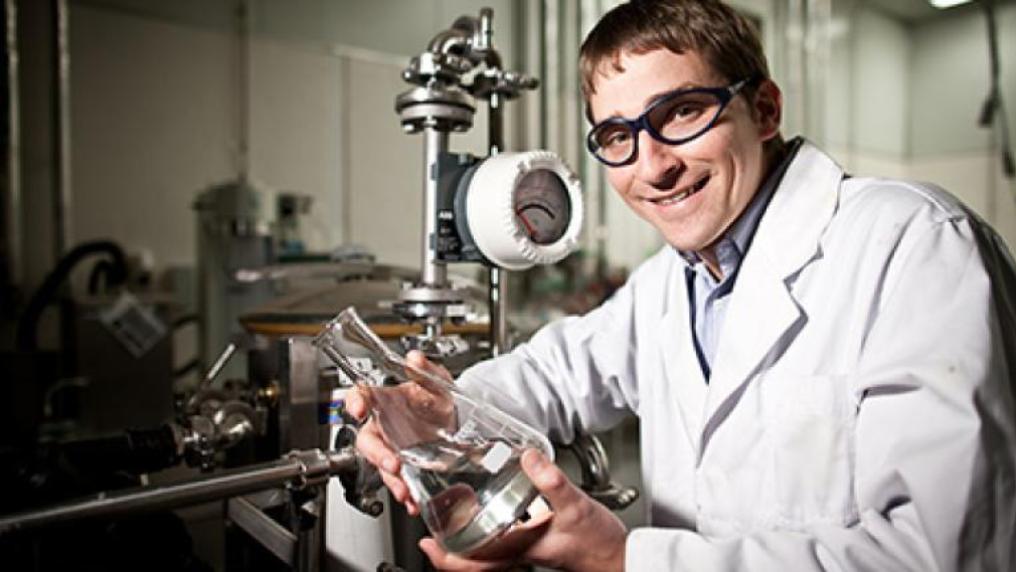
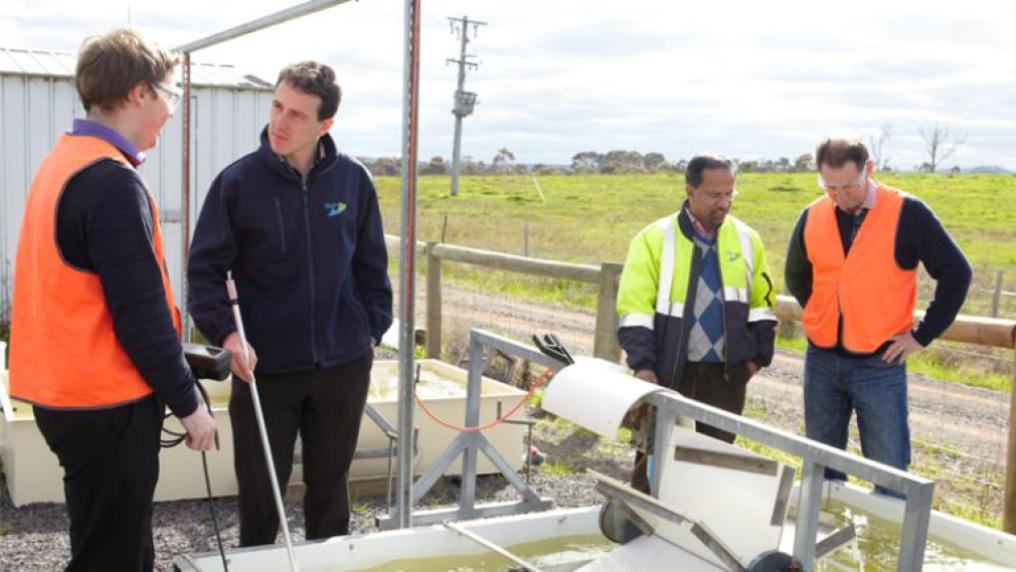
We undertake applied research in drinking water, wastewater, recycled water, stormwater and industrial water applications, providing solutions for industry and communities.
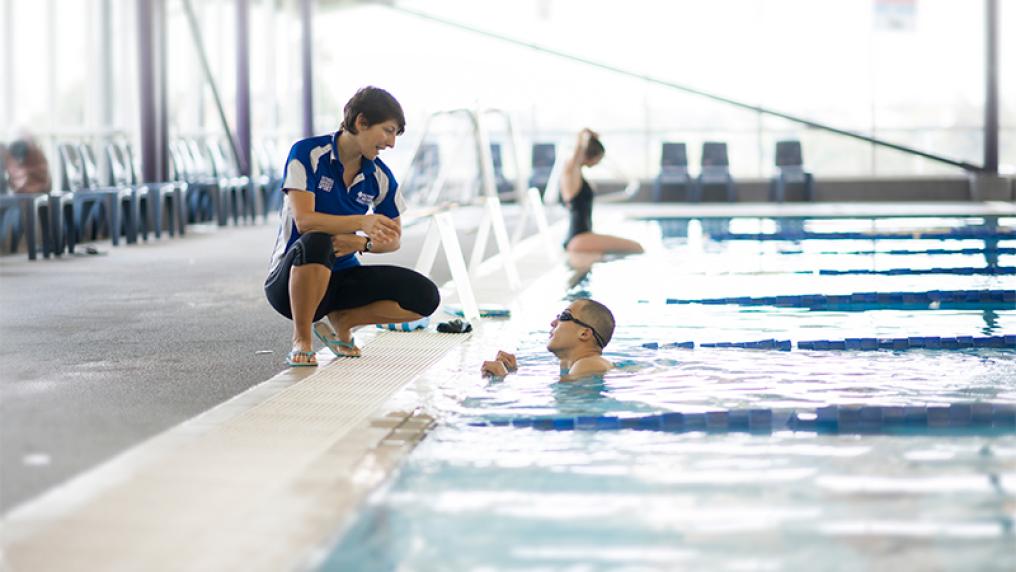
Our on-campus pool includes rainwater harvesting and backwash treatment, which saves approximately 2 million litres of water annually.
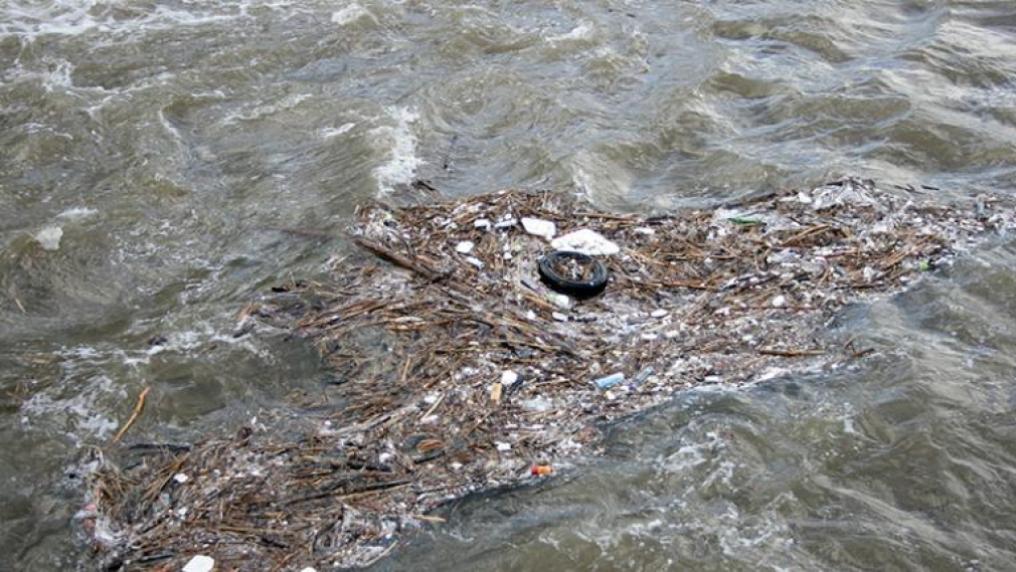
Billions of people still lack access to safe water, sanitation, and hygiene, despite improvement in the provision of these basic services. Water scarcity is a growing problem in many parts of the world, and conflicts and climate change are exacerbating the issue.
– United Nations
Water in the community: Educational opportunities for local communities to learn about good water management
Victoria University (VU) provides both free and paid educational opportunities that help local communities learn about sustainable water management, water conservation and environmental stewardship.
Community learning through the Iramoo Grasslands and Green Living Lab
The Iramoo Grassland Centre and Nursery, and Green Living Lab at VU's St Albans Campus provide free learning opportunities for community members, schools and volunteers. Through guided tours, volunteering, biodiversity workshops and bush food garden activities, participants learn about water conservation, the role of native vegetation and green infrastructure in improving water quality and reducing stormwater runoff, and the importance of protecting local ecosystems.
These programs also promote Indigenous ecological knowledge and stewardship of the endangered Iramoo Grasslands, helping participants understand the connection between healthy landscapes and sustainable water management.
Building water literacy through STEM education
VU partners with Greater Western Water and Wyndham Tech School to deliver the Smart Water Solutions program, a STEM initiative for Years 9-10 students. Through hands-on learning, students use coding, sensors and artificial intelligence to address practical water challenges, including irrigation optimisation, water efficiency and underground pipeline maintenance.
The program develops students' understanding of sustainable water management while building skills for future careers in the water and environmental sectors.
This community education activity is complemented by Wyndham Tech School's broader sustainability-focused STEM programs, which engaged 12,748 students and more than 590 teachers in 2025. Through industry-connected learning experiences, students explore practical environmental challenges and develop capabilities to support sustainable resource management and resilient communities.
Educating future community leaders
VU's Bachelor of Education Studies placement program collaborates with the Greater Western Water Community Education Team, providing pre-service teachers with opportunities to support community education activities focused on water conservation and sustainable water use.
More broadly, VU embeds sustainability, environmental stewardship and responsible citizenship across learning and teaching activities, equipping graduates with the knowledge and skills needed to address complex environmental and water-related challenges in their future professions.
Citizen science and community waterway education
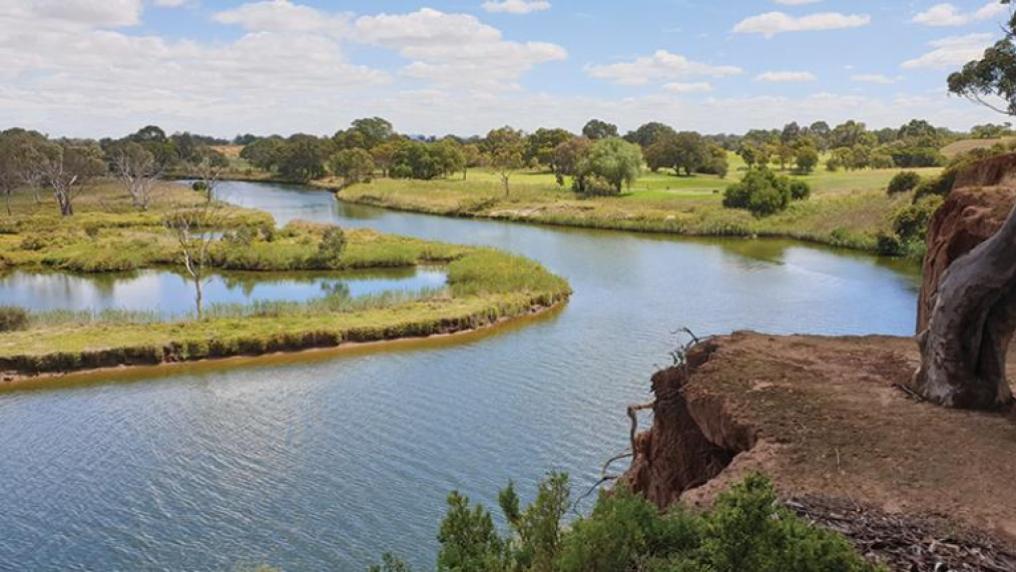
VU supports community learning about waterway health through citizen science initiatives. The Platypus Watch program, delivered in partnership with the Werribee River Association and Greater Western Water, engages community members, students and volunteers in water quality monitoring and freshwater ecosystem research along the Werribee River.
Community participants contribute to the collection and analysis of environmental data while learning about biodiversity conservation, river health and the importance of sustainable water management practices. The program provides a practical opportunity for local communities to build water literacy and develop a deeper understanding of the relationship between healthy waterways and sustainable communities.
Working with regional partners
VU contributes to broader community awareness of sustainable water management through partnerships across Melbourne's west. As a partner in the More Trees for a Cooler, Greener West initiative, VU works alongside Greater Western Water, Melbourne Water, Parks Victoria and local councils to support environmental sustainability, urban greening and the use of sustainable water resources within the community.
These partnerships connect local communities with practical approaches to climate resilience, water-sensitive urban design and environmental stewardship.
Demonstrating sustainable water management in practice
VU reinforces community education through its own water stewardship activities. The University incorporates water-sensitive design principles, water-efficient technologies and water recycling initiatives across its campuses, providing visible examples of sustainable water management in action.
In 2025, VU utilised 1,445 kilolitres of recycled water and maintained water consumption 38 per cent below 2019 levels. These operational achievements provide practical demonstrations of water conservation and resource efficiency that complement the University's educational and outreach activities.
Contribution to community water education
Through the Iramoo Grassland Centre and Nursery, Green Living Lab, Smart Water Solutions program, Platypus Watch citizen science initiative, teacher education partnerships and collaborations with Greater Western Water and regional sustainability partners, VU provides free and paid opportunities for local communities to learn about water conservation, sustainable water management and environmental stewardship. These initiatives engage community members, school students, teachers, volunteers and future educators in developing the knowledge and skills needed to support more sustainable water futures, while demonstrating sustainable water practices through the University's own operations.