Movement for Health
The Movement for Health research theme has over 50 staff and over 30 higher-degree research students investigating and promoting physical activity in maintaining physical and mental health.
Our applied and intervention studies cover various research focuses, from ageing (lifespan) to rehabilitation training.
The health benefits of our research include injury prevention, chronic disease management, and maintaining physical and mental health.
Focus areas
- Ageing (lifespan)
- Neurological and musculoskeletal injuries
- Rehabilitation training
- Physical activity and exercise
Research interests
- Adaptations to exercise prescriptions
- Assistive technologies for movement augmentation
- Clinical gait and rehabilitation
- Exercise and Training Effects
- Exercise training effects on muscle function/ muscle mass
- Inherited and acquired myopathies
- Locomotion: Walking, running, turning
- Lifting and carrying: Manual handling tasks, heavy load carrying
- Mechanisms driving exercise-induced adaptations
- Muscle, metabolism, bone health, overall health
- Physical activity in achieving better clinical outcomes, improved functioning and wellbeing in those at risk of or experiencing mental health concerns
- Rehabilitation training, physical activity and exercise
- Role of physical activity and exercise in mental health promotion, prevention and treatment
Research groups
Bone-muscle interactions in health & disease
The main aim of our group is to improve the clinical outcome, functional capacity and quality of life of middle-aged and older-adults with musculoskeletal disorders, such as sarcopenia and osteoporosis, and associated cardio-metabolic diseases.
Exercise Prescription
Our research group aims to help people move towards better health and performance. We use sophisticated technologies to advance understanding of the mechanisms driving exercise-induced adaptations, especially mitochondrial changes important for health.
Gait & Intelligent Technologies (GAIT)
The group aims to engage in state-of-the-art interdisciplinary research to advance our understanding of gait and balance and finding innovative solutions to both fundamental scientific problems and community and industry needs.
Physical Activity & Mental Health
The Physical Activity and Mental Health research group examines the role of physical activity and exercise in mental health promotion, prevention and treatment. We engage in projects that aim to measure, understand, and promote physical activity to optimise mental wellbeing.
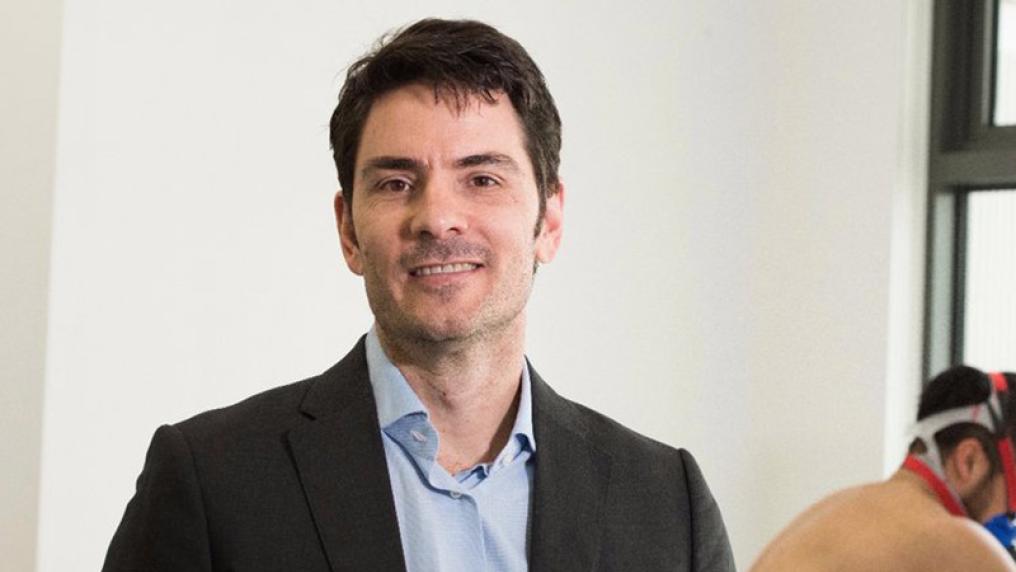
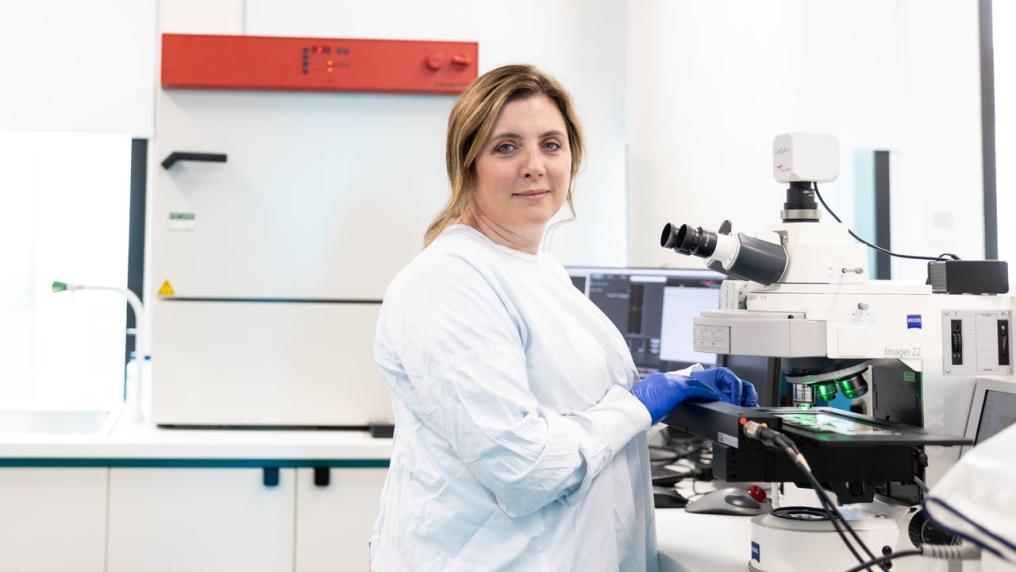
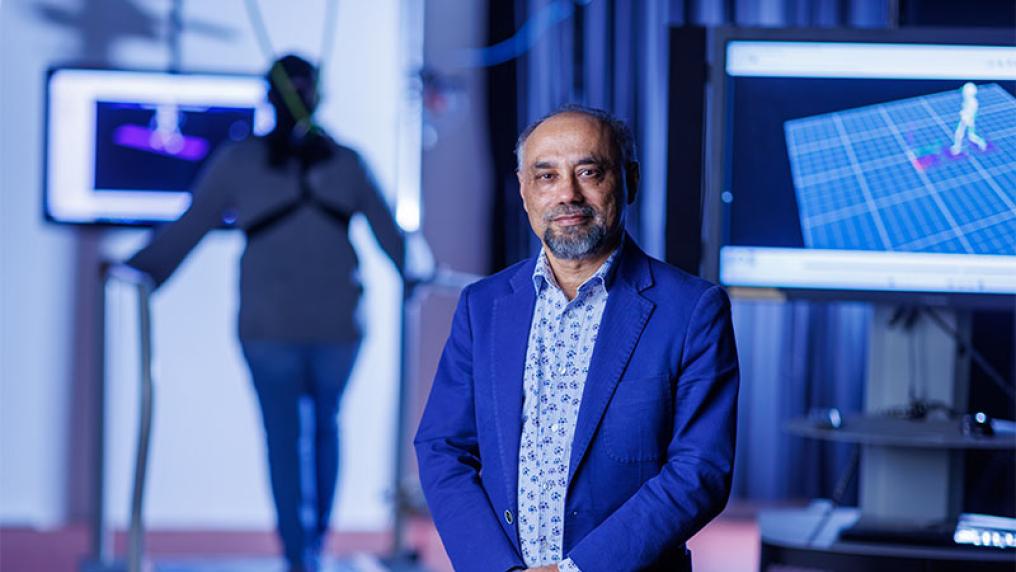
Research theme leaders


Research collaborators
- Australian Catholic University
- Australian Institute of Sport
- Australian Research Council (ARC)
- Austin Health
- Cyberdyne Inc., Japan
- Deakin University
- Defence Science and Technology (DST) Group, Australia
- Edith Cowan University
- Jack Brockhoff Foundation
- La Trobe University
- Karolinska Institutet, Sweden
- National Health and Medical Research Council (NHMRC)
- Headspace National Youth Mental Health Foundation
- Orygen
- TREAT-NMD, AFM Telethon, France
- Parent Project Muscular Dystrophy, Netherlands
- University Children’s Hospital Basel
- Mercy Health, Australia
- Boston Children’s Hospital, Harvard Medical School, USA
- Pennsylvania State University, USA
- Cardiff University, UK
- Institute de recherches cliniques de Montréal, Canada
- Research Institute of the McGill University Health Centre, Canada
- Royal Melbourne Hospital
- Shebe Medical Centre, Israel
- VicHealth
- St Vincent's Hospital
- University of Auckland, New Zealand
- University of Canberra
- University of Canterbury, New Zealand
- University of Florida, USA
- University of Melbourne
- University of Washington, USA
- University of NSW
- University of Tsukuba, Japan
- Western Health, Australia
- Western Bulldogs Community Foundation


