Rachael Parker: Turning the tide on youth mental health
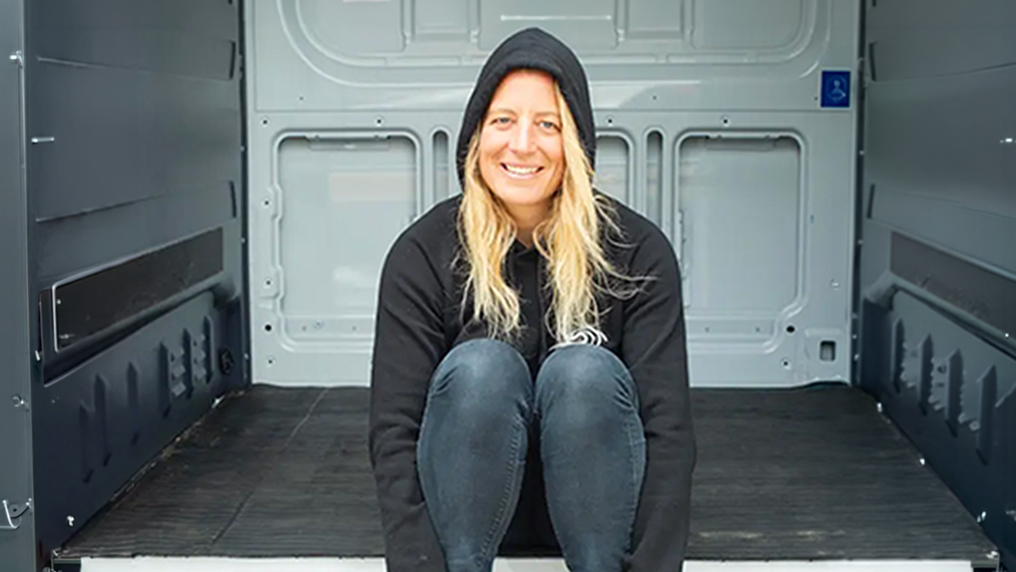
For Rachael Parker, surfing became a lifeline during her own mental health journey. Today, she is using the ocean to support hundreds of young people across Victoria through her charity, Ocean Mind, helping them build confidence, connection and a sense of belonging.
Background
Qualifications: Diploma of Youth Work, 2006; Certificate IV in Alcohol and Other Drugs Work, 2007; Bachelor of Arts (Youth Studies), 2007
Job: CEO and Founder, Ocean Mind
Turning personal experience into purpose
Rachael understands how isolating mental health challenges can be. Diagnosed at 15, she spent years navigating different medications and psychologists while finding her own form of outdoor therapy through surfing. The ocean became an important source of stability and showed her that meaningful support can take many forms.
Always wanting to become a youth worker, Rachael chose VU for its strong reputation and flexible approach to learning. Beginning with a Diploma of Youth Work before progressing into a Bachelor of Arts (Youth Studies) allowed her to study part time and build her qualifications progressively. The knowledge and adaptability she developed at VU became foundations she would continue to draw on throughout her career.
After graduating, Rachael worked in youth services and saw how difficult it could be for young people to access the right support. Her professional experience, combined with her own mental health journey, eventually inspired her to create the kind of program she wished had existed when she was younger.
I'm most proud of creating Ocean Mind. I wish there had been something like that when I was a teenager and going through my own mental health challenges.
Creating support without barriers
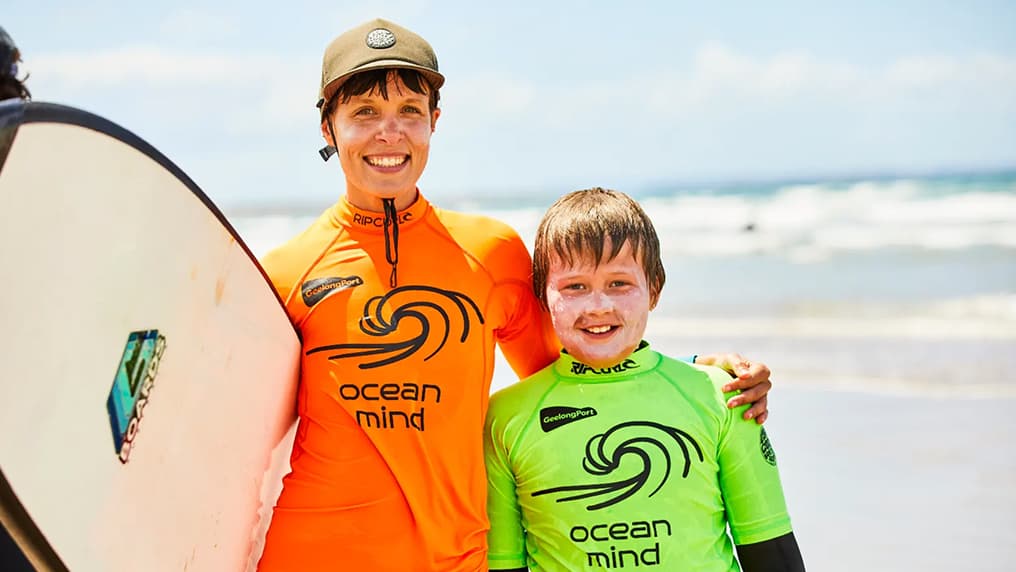
Rachael founded Ocean Mind in November 2016 as a small passion project. Combining surfing, mentoring and community support, the charity provides free, long-term early intervention programs for young people aged 8 to 18 experiencing mental health challenges, social isolation and disability.
The organisation was shaped by Rachael's frustration with a youth support system that often required young people to fit rigid criteria, live within particular catchment areas or
have specific funding attached to them. She wanted Ocean Mind to meet young people where they were and make asking for help as simple as possible.
If a young person is between 8 and 18 and needs help, our door is open, plain and simple.
Through surfing, participants build confidence, learn to regulate their emotions and develop a lasting sense of belonging. Unlike many short-term interventions, Ocean Mind is built around long-term support. Some young people who joined the organisation in 2017 are still surfing with the program today.
What began with a handful of volunteers and young people has grown into a research-backed organisation supporting hundreds of participants with the help of more than 120 volunteers each year. As Ocean Mind approaches its tenth anniversary, Rachael says seeing the difference it has made for young people and their families has been one of the most rewarding parts of the journey.
Building a future for surf therapy
Rachael's lived experience remains central to the way she leads Ocean Mind. Although speaking publicly about her mental health initially felt uncomfortable, sharing her story helped break down the divide between youth worker and participant. It showed young people that she understood some of what they were experiencing and gave them hope for what could come next.
Their struggles today don't have to limit their future.
Ocean Mind is also working alongside researchers to strengthen the evidence base for surf therapy. Rachael says it has been rewarding to see the changes witnessed on the beach and reported by families reflected in formal research, with the organisation's evaluation data aligning with results from randomised controlled trials.
Looking ahead, she hopes approaches such as surf therapy will gain broader recognition and become an established part of the youth mental health system. Ocean Mind currently relies heavily on philanthropy, donations and fundraising, but Rachael hopes early intervention programs will one day be recognised and funded as essential healthcare services.
For Rachael, surfing helped change the course of her own life. Through Ocean Mind, she is ensuring more young people have the support and community to change theirs.
Share your story with us
If you studied with us, we would love to hear from you.