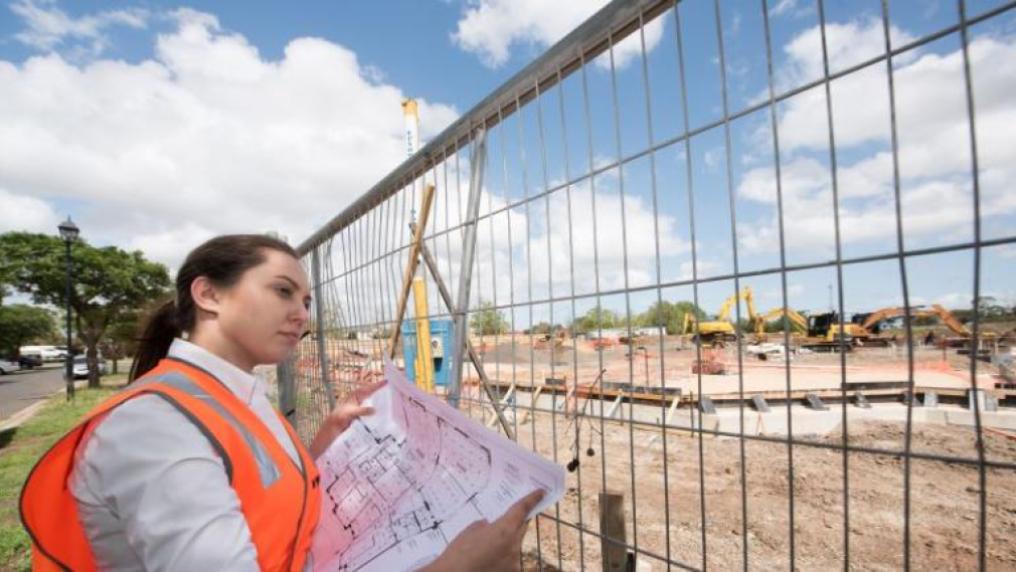
The Bachelor of Architectural Design is a three-year degree at VU's Footscray Park campus. It focuses on sustainable design and real-world projects, and it's your first step towards a Master of Architecture.
Architect vs building designer: what's the difference?

The difference between architects and building designers
The short answer:
- an architect is registered with the Architects Registration Board of Victoria (ARBV) and has completed an accredited Master of Architecture
- a building designer is registered with the Victorian Building Authority (VBA) and meets the knowledge requirement with a three-year bachelor degree or a two-year advanced diploma
- both prepare plans for buildings, but only a registered architect can use the title "architect".
What is an architect?
An architect is a professional registered to design buildings and guide them from concept through to construction. In Victoria, "architect" is a protected title. You can only use it if you're registered with the Architects Registration Board of Victoria (ARBV).
Registered architects work to national competency standards and a code of professional conduct. That code covers things like skills and knowledge, contracts with clients and administering a building contract. They also need professional indemnity insurance and have to meet continuing professional development requirements each year to renew their registration.
Architects work on projects of all shapes and sizes, from family homes to large public and commercial buildings.
What is a building designer?
A building designer prepares the plans and documents that turn a design into something a builder can price and a building surveyor can approve. In Victoria, building designers can register with the Victorian Building Authority (VBA), which now trades as the Building and Plumbing Commission. You might also hear the older term "draftsperson" – it's the previous name for this registration category.
A registered building designer (architectural) can:
- produce plans and documentation for building work
- help with building permit applications
- prepare documentation so builders can tender for construction
- work with engineers and other consultants to produce compliant designs
- manage and monitor the projects they've documented for clients.
There are three registration classes: architectural, interior and services. Building designers can't use the title "architect", and the ARBV advises them to make that clear to clients.
Architect vs building designer at a glance
The day-to-day work can overlap. What changes most is the title you can use, the study you need and the registration you hold.
| Architect | Building designer | |
| Registered by | Architects Registration Board of Victoria (ARBV) | Victorian Building Authority (VBA) |
| Protected title | Yes – only registered architects can use "architect" | Registered as a "building designer" – can't use "architect" |
| Study needed | An accredited Master of Architecture, usually after a three-year bachelor degree | Bachelor of Building Design or Advanced Diploma of Building Design (Architectural) |
| Time at uni or TAFE | Usually around five years | Two years (advanced diploma) or three years (bachelor) |
| Experience needed | At least two years of practical experience, logged against the national competency standard | At least two years of supervised practical experience in the last seven years |
| Final step | Architectural Practice Exam: logbook, national exam paper and interview | Application to the VBA with evidence of qualifications and experience |
| After registration | Yearly renewal, professional indemnity insurance and continuing professional development | Registered as a building designer with the VBA |
| Often focused on | Design leadership and administering building contracts | Technical documentation, building permit applications and tenders |
| Where to start at VU | Bachelor of Architectural Design, then a Master of Architecture | Bachelor of Building Design or Advanced Diploma of Building Design (Architectural) |
What's the path to becoming each?
To work as an architect, you need a Master of Architecture – a bachelor degree on its own won't get you there.
- Study a bachelor degree in architecture or design.VU's Bachelor of Architectural Design takes three years full time and gives you the skills to work as a building designer. It also gives you the option to continue to a Master of Architecture. Note: VU currently does not offer a Master of Architecture – you'll need to complete this qualification at another institution.
- Complete an accredited Master of Architecture. The ARBV requires a prescribed course of study – for example, a master's degree accredited by the ARBV or another Australian architects registration board.
- Build your practical experience. You'll log your hours in the Architects Accreditation Council of Australia (AACA) logbook. You can start before you graduate, with up to 1,650 hours of pre-graduation experience counting. You need at least two years of practical experience to register, and many people take four to five years after graduating to complete the full requirement.
- Pass the Architectural Practice Exam (APE). It has three parts: your logbook and statement of practical experience, a national exam paper and an interview.
- Register with the ARBV. Once you're registered, you can use the title "architect". Until then, call yourself a "graduate of architecture" – not a "graduate architect". You'll renew your registration each year.
How to become a building designer
Overall, the journey to becoming a building designer is shorter, which means you can start working in the field sooner.
- Complete the right qualification. The VBA lists the Advanced Diploma of Building Design (Architectural) as meeting the knowledge requirement for registration in Building Design (Architectural) and (Interior). It's a two-year course offered by several Victorian providers.
- Get supervised experience. You'll need at least two years of practical experience in the last seven years, covering areas like technical drawings, building permit applications, project administration and coordinating consultants. A registered building designer, a registered architect or – in some cases – a registered builder needs to supervise it.
- Apply to the VBA. Submit your application with evidence of your qualifications and experience.
Can a building designer become an architect?
Yes – but you'll need to go back to study. A Master of Architecture is the qualification you need to register, and building design experience doesn't replace it.
Your experience still counts for something. The ARBV says practical experience for your Architectural Practice Exam logbook can be gained as an employee in a building design firm.
If you're starting at VU, the Bachelor of Architectural Design is built for this. It prepares you to work as a building designer and lets you continue to a Master of Architecture later. The ARBV also lists other registration pathways, including the Experienced Practitioner Assessment, so it's worth checking with them about what applies to you.
Does it differ between states?
Yes. Each state and territory has its own architects registration board, and the ARBV looks after registration in Victoria. The Architectural Practice Exam is national, though, so you can sit it once and still move interstate. Architects registered in another Australian state or territory, or in New Zealand, may be able to register in Victoria through mutual recognition.
Building designer registration is set by each state too, so check the local rules before you work interstate.
How to become an architect or building designer at VU
Whether you're coming straight from Year 12, already working on site or switching careers, there's a pathway at VU that fits where you are right now.