
Older people in regional areas face loneliness crisis
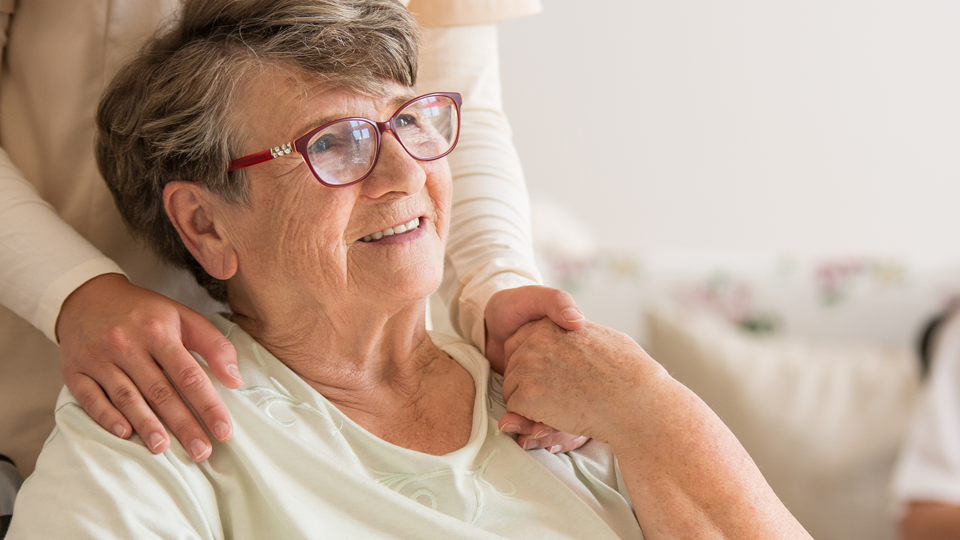
A new Victoria University research project aims to address loneliness and social isolation among older people in regional communities by creating a new social connection service.
Funded by a $760,000 State Trustees philanthropic grant, Creating connections: a social concierge model to reduce social isolation, improve health and support positive ageing in Victorian communities is a three-year project, delivered in partnership with Gateway Health and the Upper Murray Regional Neighbourhood House Network.
The pilot project, based in Wangaratta, seeks to create a new social connection service model focussing on reducing loneliness and social isolation among older people in rural communities. The model includes embedding a Community Connector in Gateway Health. The Connector will work with general practitioners and other health professionals to connect older people with social, recreational and community activities and other non-clinical supports that could help support their overall health and wellbeing.
The Creating Connections project will evaluate its impact on loneliness, wellbeing, community participation and health-service use, with the longer-term goal of developing a practical framework that can be adapted and replicated in other communities, anywhere around the country.
VU Emeritus Professor Rosemary Calder said the initiative would be co-designed by older people, health professionals and community organisations to ensure the model reflects local needs and lived experience.
Many older people in rural communities are experiencing isolation and loneliness, a trend that has been increasing over time. We know that people who are engaged in community networks and activities have better mental and physical health and wellbeing,” Professor Calder said.
“Social isolation increases the risk of chronic conditions developing or worsening and leads to poor health outcomes. The best way to tackle this issue is to take a place-based, collaborative approach between the health and social care services that can together provide more effective support for older people.”
Gateway Health Director of Medical Services, Dr Olivia Stuart, said issues around social isolation need to be taken seriously.
“We often see older patients who are alone and isolated. This model is all about connection and building stronger pathways between services and community resources that already exist. We don’t have to reinvent the wheel, we just need to ensure that people know where and how to access the support around them,” Dr Stuart said.
Trish Curtis, Network Coordinator, Upper Murray Regional Neighbourhood House Network, said reducing social isolation and loneliness is a strong focus for neighbourhood houses, and that the Creating Connections project builds on what local organisations have already learned through social prescribing work.
Over the past four years, two social prescribing projects across the region have shown remarkable results for people who had been very isolated,” she said. “Participants became more physically and socially active, with obvious improvements to their health and wellbeing.”
“The gap for us in our projects was engaging with the GPs and medical clinics so they could refer patients into social activity if this was relevant. The Creating Connections project will make a massive difference to this referral pathway.”
The social connection service will start early in 2027. A pilot phase will enable older people, the project partners and the community organisations to test and refine the design and operation of the service model and the service will then operate fully from mid 2027 to the end of 2028. Older people interested in more information about the program can contact Tanya Grant, Community Connector, at