Gaps in period support exclude people with disability from sport
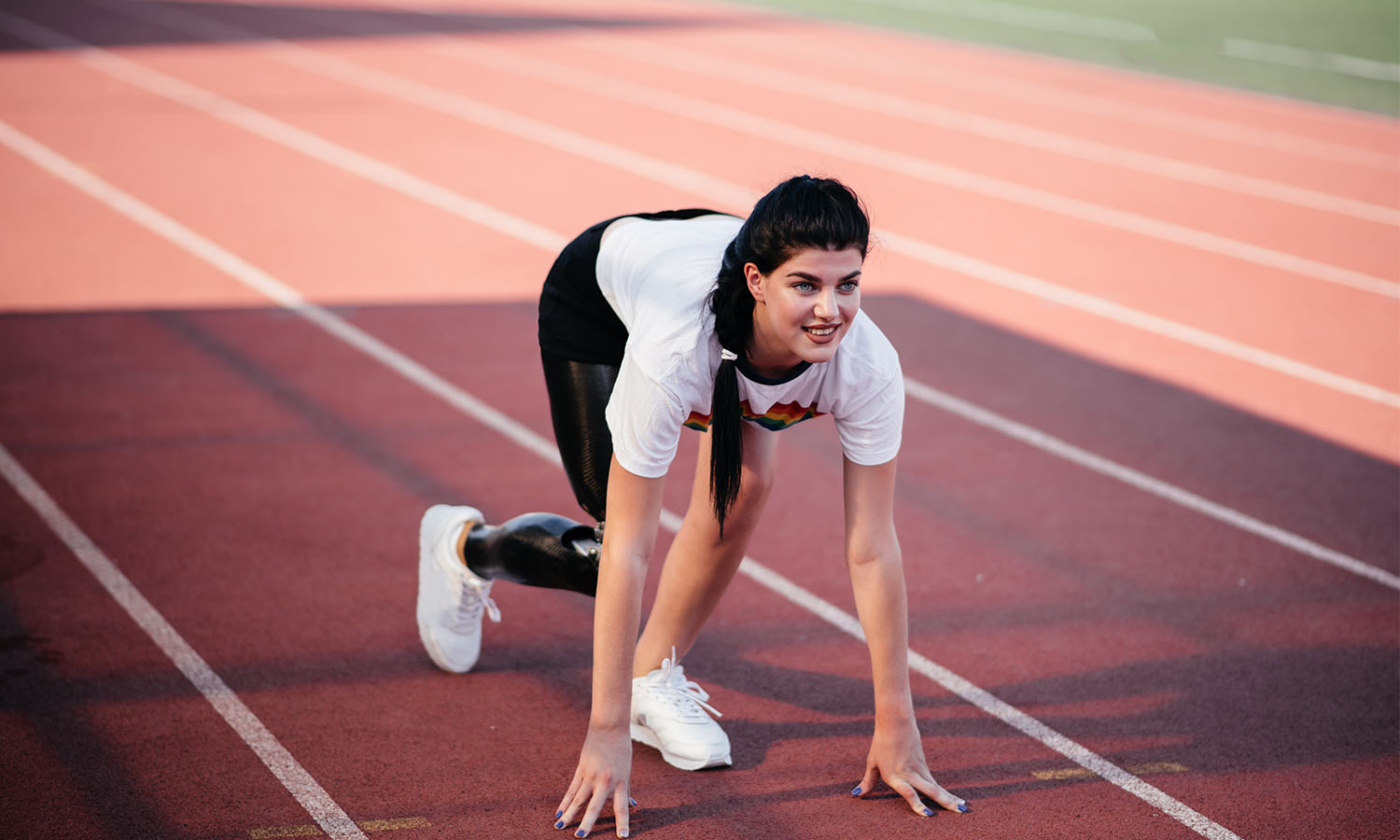
Women with disability are being locked out of playing sport by a lack of basic menstruation support, and facilities that fail to meet their needs, new research has found.
The study by Victoria University (VU) with advocacy group Share the Dignity revealed dirty changing areas and bathroom stalls, spaces that don’t accommodate mobility aids, limited privacy and inadequate period products were among major barriers to participation.
Significant education gaps persist exist for people with disability, with only 1 in 10 reporting they had received information on managing their period when playing sport. Up to 81 per cent of NDIS participants were unaware they could access funding for modified or adaptive menstruation products.
The findings have informed a new guide, Powering Participation: Insights on menstruation support needed for people with disability in sport, which captures the lived experiences of 273 people with disability who menstruate from across Australia.
A team led by VU’s Professor Clare Hanlon, Susan Alberti Women in Sport Chair, also identified:
- 67% of physically active respondents chose not to participate in sport while menstruating
- 65% of inactive respondents did not participate in sport because of their period
- Approximately 40% of all respondents skipped playing sport, or recognised period products as a reason for not participating
- 39% of inactive respondents would consider participating in sport if support for period products was available
Period anxiety was more acute for people with disability, with nearly 8 in 10 (78 per cent) feeling anxious about their period when playing sport. This compared to 72 per cent of the general population who participated in 2025 research by VU, also in collaboration with Share the Dignity.
The findings highlight significant and ongoing gaps in how sport and recreation environments support people with disability to participate safely, confidently and with dignity.
Professor Hanlon said that with only 12 per cent of women with disability in Australia participating in sport, the findings from this research provides evidence on why action is urgently needed.
“While these findings reveal unacceptable gaps, they also reveal powerful opportunities,” Professor Hanlon said.
Governments, sport and recreation organisations, disability providers, and period product suppliers can strengthen access, inclusive design and practical support for people managing their periods. No one should be excluded from participating in sport due to menstruation.
The litany of challenges respondents face was laid bare, from no sanitary bins in accessible toilets at sporting facilities, to fears of leaking due to reduced physical sensation and nerve pain from tampon use.
“My hands don’t function well, and it’s been many years since cups and tampons have been a functional option for me,” one shared.
Another survey participant said: “Change areas and bathroom stalls are usually dirty or do not have sufficient space. I need access to a table or shelf to increase my independence in changing my products.”
The research, which was covered by the ABC, shows these experiences are not isolated and reflect systemic barriers faced by people with disabilities who menstruate.
The guide outlines practical, evidence-based actions including:
- Providing accessible, online guidance on managing periods while participating in sport
- Promoting funding and access to adaptive and accessible menstrual products
- Educating coaches and officials to make menstruation a normalised, stigma free conversation
- Ensuring sporting environments offer appropriate facilities, privacy and support
Share the Dignity Founder and Managing Director Rochelle Courtenay said the survey has prompted Australia’s largest menstrual equity non-for-profit to create bespoke education resources to address the needs raised by respondents.
Ms Courtenay said the new resources aim to address the knowledge gap, with more than half of the respondents in the study expressing the need for better information on how menstruation interacts with their disability and affects sports performance.
“Only one in 10 people with disability have ever been given information about managing their period in sport and our education guide is here to change that,” she said.
“Anxiety is a huge barrier that was raised in the report, be it anxiety about getting your period during sport or anxiety about letting coaches and teammates know you’re on your period, the lack of information out there has created huge barriers and discomfort,”
“By having free, accessible information for coaches, information for young people and information for clubs we want to equip everyone with the skills to be able to provide inclusive support,” she said.
Victoria Moore, Director of the Australian Institute of Sport’s (AIS) Paralympic Unit, Performance Systems & Paralympic Partnerships, said: “This research not only provides clear evidence that menstruation-related barriers are impacting participation and progression in para sport, but importantly, identifies practical, achievable solutions. By embedding education, accessibility, product support and inclusive practices across the sporting system, we can reduce preventable drop-off and create stronger, more sustainable pathways for future Paralympic athletes. The AIS and its partners will endeavour to translate these findings into meaningful, real-world action across the Australian high performance sporting system.”
Further background about the research
- The 273 respondents were recruited through sport and recreation organisations, government agencies, disability service providers, non‑profit organisations, Share the Dignity, and VU
- Age range: 15–53 years (average age 32)
- 64% metropolitan, 31% regional, 4% rural
- Highest representation: Victoria (36%), followed by Queensland (23%)
- Cultural background: 67% with both parents born in Australia, 19% with one parent born overseas, and 14% with both parents born overseas
Ultimately, the guide is a call to governments, sporting bodies, disability organisations and period product suppliers to take responsibility for inclusive, practical solutions that enable broader participation in sport.